
A gorgeous description can make an ordinary moment feel unforgettable, and similes are one of the easiest ways to create that effect. A simile compares two different things using words such as “like” or “as” to make an idea clearer and more vivid. When writers use similes effectively, they can turn simple descriptions into memorable images filled with color, feeling, and personality. In particular, similes for gorgeous can help describe people, places, nature, art, objects, emotions, and unforgettable experiences in fresh and creative ways. Nature is especially rich with comparisons because flowers, sunlight, oceans, stars, and trees give us familiar images that readers can easily imagine.
Trees are powerful symbols of strength, growth, resilience, wisdom, and human emotion, making them wonderful sources for figurative language examples. From a tree standing proudly through a storm to a blossom opening in spring, nature can help writers express beauty in ways that feel natural and meaningful. Whether you are writing a poem, story, essay, song, or creative description, the right simile can make your language feel as gorgeous as the image you are trying to describe.
What Is a Simile?
A simile is a figure of speech that compares two different things using words such as “like” or “as.” Similes help readers visualize an idea and understand an emotion or quality more clearly.
Example: Her smile was like sunlight breaking through the clouds.
This comparison does more than say that her smile was beautiful; it suggests warmth, brightness, hope, and happiness. That is why similes are important in figurative language and why they appear so often in creative writing and similes in literature.
1. Her Beauty Was Like a Garden in Full Bloom
Meaning: This simile compares someone’s beauty to a garden filled with blooming flowers. It suggests freshness, color, harmony, and natural attractiveness.
Usage insight: Use this comparison when describing someone whose appearance feels vibrant, graceful, and naturally beautiful.
Examples:
- Her beauty was like a garden in full bloom, brightening everyone around her.
- At the celebration, she looked like a garden in full bloom after a gentle spring rain.
2. Her Eyes Were as Gorgeous as Starlit Lakes
Meaning: This comparison connects beautiful eyes with peaceful lakes reflecting stars. It suggests depth, sparkle, and mystery.
Usage insight: This works especially well in romantic writing, poetry, and character descriptions where you want to emphasize someone’s eyes.
Examples:
- Her eyes were as gorgeous as starlit lakes, calm yet impossible to ignore.
- He was captivated by eyes as gorgeous as starlit lakes beneath a midnight sky.
3. The Sunset Was Like a Golden Painting
Meaning: The simile compares a sunset to a carefully created painting, emphasizing its artistic beauty and rich colors.
Usage insight: Use it for descriptions of landscapes, travel scenes, poetry, and moments of natural beauty.
Examples:
- The sunset was like a golden painting stretched across the evening sky.
- We stood quietly on the shore, watching the horizon glow like a golden painting.
4. Her Smile Was as Gorgeous as a Sunrise
Meaning: This comparison connects a smile with the beauty and warmth of sunrise.
Usage insight: It is useful when describing a smile that brings happiness, hope, or positive energy.
Examples:
- Her smile was as gorgeous as a sunrise after a long, difficult night.
- He greeted everyone with a smile as gorgeous as the first light of morning.
5. The Garden Looked Like a Jewel Box
Meaning: A jewel box contains precious and colorful treasures, so this simile suggests that the garden was exceptionally beautiful and rich in detail.
Usage insight: Use this comparison when a setting contains many striking colors, flowers, or decorative details.
Examples:
- After the rain, the garden looked like a jewel box sparkling beneath the sun.
- Every flower made the small courtyard resemble a jewel box of natural treasures.
6. Her Hair Was Like a Silken Waterfall
Meaning: This simile compares flowing hair to a smooth waterfall, suggesting softness, movement, and elegance.
Usage insight: It works well in character descriptions, romantic scenes, and imaginative writing.
Examples:
- Her dark hair fell like a silken waterfall over her shoulders.
- The breeze lifted her hair like a silken waterfall moving over a quiet cliff.
7. His Voice Was as Gorgeous as a Summer Breeze

Meaning: A summer breeze feels gentle, pleasant, and refreshing, so this comparison suggests a voice that is soothing and attractive.
Usage insight: Use it when describing singing, speaking, storytelling, or a voice that creates emotional comfort.
Examples:
- His voice was as gorgeous as a summer breeze moving through the trees.
- She listened to the singer whose voice felt like a warm summer breeze.
8. The Ocean Was Like a Sapphire Dream
Meaning: Sapphire is associated with rich blue color and precious beauty. Comparing the ocean to a dream makes the scene feel magical and almost unreal.
Usage insight: This is ideal for travel writing, poetry, fantasy descriptions, and peaceful nature scenes.
Examples:
- Beyond the cliffs, the ocean stretched like a sapphire dream beneath the clear sky.
- The island appeared to float in waters like a sapphire dream.
9. Her Dress Was as Gorgeous as Moonlight on Snow
Meaning: Moonlight on snow creates an image of soft, luminous beauty. The simile suggests elegance, brightness, and delicacy.
Usage insight: Use it for formal clothing, magical scenes, weddings, or poetic character descriptions.
Examples:
- Her silver dress was as gorgeous as moonlight on freshly fallen snow.
- She entered the room in a gown that shimmered like moonlight on snow.
10. The Forest Was Like a Cathedral of Green
Meaning: A cathedral is grand and peaceful, while green represents nature. Together, the comparison presents the forest as majestic and almost sacred.
Usage insight: This is particularly effective in nature writing and descriptions of peaceful or awe-inspiring landscapes.
Examples:
- The ancient forest rose around us like a cathedral of green.
- Sunlight filtered through the branches, making the woodland feel like a cathedral of green.
11. Her Laughter Was Like Bells in Spring
Meaning: Spring bells suggest freshness, happiness, and musical beauty. The comparison makes laughter feel bright and joyful.
Usage insight: Use it to describe cheerful laughter that immediately changes the mood of a scene.
Examples:
- Her laughter was like bells in spring, light enough to brighten the entire room.
- The children’s laughter rang through the garden like bells in spring.
12. The City Lights Were Like a River of Stars
Meaning: This simile compares glowing city lights with countless stars flowing across the landscape.
Usage insight: It works well for nighttime settings, travel descriptions, fiction, and atmospheric writing.
Examples:
- From the rooftop, the city lights looked like a river of stars.
- The highway wound through the valley beneath lights that shimmered like a river of stars.
13. Her Kindness Was as Gorgeous as a Tree Giving Shade
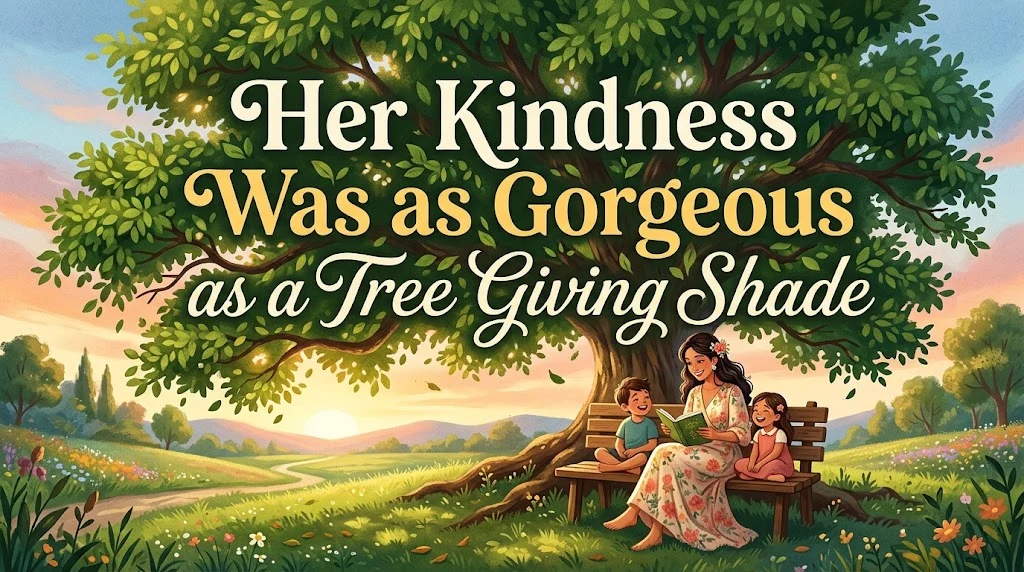
Meaning: A tree offering shade represents generosity, protection, and quiet care. The simile shows that true beauty can come from character rather than appearance.
Usage insight: This is especially useful when describing inner beauty, compassion, friendship, or selfless behavior.
Examples:
- Her kindness was as gorgeous as a tree giving shade to travelers beneath the summer sun.
- He admired a spirit as beautiful as a tree offering shelter without asking for anything in return.
14. The Morning Was Like a Freshly Painted Canvas
Meaning: A freshly painted canvas suggests new possibilities, vivid colors, and a beautiful beginning.
Usage insight: Use this comparison when describing a new day, a new opportunity, or a peaceful beginning.
Examples:
- The morning spread across the valley like a freshly painted canvas.
- After the storm, the clear sky looked like a freshly painted canvas waiting for color.
15. Her Presence Was Like a Rose in Winter
Meaning: A rose represents beauty, while winter creates an unexpected contrast. Together, the image suggests someone whose beauty stands out even in difficult surroundings.
Usage insight: This simile is powerful when describing exceptional beauty, uniqueness, or hope during challenging circumstances.
Examples:
- Her presence was like a rose in winter, unexpected and impossible to overlook.
- Among the gray buildings, the colorful artist stood like a rose in winter.
How to Use Similes Effectively in Writing
Using beautiful comparisons is not simply about adding the word “like” to a sentence. Strong similes should make an image clearer, strengthen an emotion, or give the reader a fresh way to understand an idea. Here are practical ways to use them effectively:
1. Use Similes in Poems
Poetry depends heavily on imagery and emotion, making similes particularly powerful. Compare emotions with natural objects, seasons, colors, sounds, or landscapes to create memorable poetic images.
Example: Hope rose in her heart like sunlight after rain.
2. Use Similes in Stories
In fiction, similes can make characters and settings easier to visualize. Instead of simply saying that a character is beautiful, show the reader what that beauty feels like through an imaginative comparison.
Example: Her face glowed like a lantern in the quiet darkness.
3. Use Similes in Essays
Academic and descriptive essays can benefit from carefully chosen comparisons, particularly when explaining complicated ideas. However, keep the language relevant and avoid using too many decorative comparisons.
Example: The roots of a strong community are like the roots of an ancient tree: largely unseen but essential to stability.
4. Use Similes in Songs
Songs often depend on emotional imagery. A memorable simile can make lyrics easier to feel and remember.
Example: Your love shines like a lighthouse through my darkest night.
5. Use Similes in Creative Descriptions
When describing people, places, objects, or experiences, choose comparisons that appeal to the senses. Think about color, sound, texture, movement, temperature, and emotion.
Instead of:
The garden was beautiful.
Try:
The garden glowed like a hidden paradise beneath the morning sun.
6. Choose Comparisons That Fit the Mood
A gorgeous simile should match the emotional atmosphere of your writing. A peaceful scene might call for moonlight, flowers, calm water, or gentle trees, while an energetic scene might need fire, lightning, wind, or sunlight.
7. Avoid Overused Comparisons
Common expressions can sometimes lose their impact. Whenever possible, create fresh comparisons that feel specific to your subject.
8. Keep the Meaning Clear
A creative simile should still make sense. If readers have to struggle to understand the connection, the comparison may distract from your message instead of improving it.
9. Combine Beauty With Emotion
The strongest similes do more than describe appearance. They reveal what something means or how it makes someone feel. This is why comparisons involving nature can be especially effective.
10. Read Your Simile Aloud
Reading your writing aloud helps you notice whether the comparison sounds natural. If a simile feels forced or interrupts the rhythm, simplify it.
FAQs About Similes for Gorgeous
1. What are some good similes for gorgeous?
Some strong examples include “as gorgeous as a sunrise,” “like a garden in full bloom,” “as gorgeous as moonlight on snow,” and “like a sapphire dream.” These comparisons can describe people, places, nature, clothing, art, and experiences.
2. What is the difference between a simile and a metaphor?
A simile makes a comparison using words such as like or as, while a metaphor directly states that one thing is another. For example, “Her smile was like sunshine” is a simile, while “Her smile was sunshine” is a metaphor.
3. Can similes for gorgeous be used in academic writing?
Yes, but they should be used selectively. In descriptive, literary, cultural, or analytical essays, an appropriate simile can make an explanation more vivid. In highly technical academic writing, clear and precise language should usually take priority.
4. Why are nature similes effective for describing beauty?
Nature provides familiar images such as flowers, sunsets, stars, oceans, trees, and sunlight. Because readers already understand these images, writers can use them to communicate beauty, emotion, strength, and atmosphere quickly.
5. Why are similes important in creative writing?
Similes add clarity, imagery, emotion, and depth to language. They allow readers to experience an idea rather than simply receive information about it, which makes descriptions more memorable and engaging.
Conclusion
The best similes for gorgeous do more than describe beauty—they help readers see, feel, and remember it. A simple comparison can transform an ordinary sentence into an image filled with color, emotion, movement, and meaning. Whether you compare a smile to sunrise, a forest to a cathedral, or kindness to the shade of a generous tree, figurative language gives your writing another layer of expression. Nature similes are especially powerful because they connect human experiences with images that readers already recognize and understand. Strong comparisons can also make characters more memorable, settings more vivid, and emotions easier to communicate. In poems, stories, songs, essays, and everyday creative descriptions, a well-chosen simile can make your language feel more natural and alive. The key is to choose comparisons that are clear, original, emotionally appropriate, and connected to your subject. When you use similes thoughtfully, your words can become more than descriptions—they can become pictures in the reader’s mind. So experiment with these examples, create your own comparisons, and let your writing shine with the same beauty you are trying to describe.