
Some people, places, and moments have a quiet beauty that instantly draws us in, and the right words can make that charm even more memorable. Similes for charming help writers describe attractive qualities by comparing them to familiar images, feelings, and scenes from nature. A simile is a form of figurative language that uses words such as “like” or “as” to create a vivid comparison. These comparisons make ordinary descriptions more colorful, emotional, and easier for readers to imagine.
Nature similes are especially powerful because images such as trees, flowers, sunlight, rivers, and stars naturally connect with human experiences. Trees, for example, are powerful symbols of strength, growth, resilience, wisdom, and human emotion. Their deep roots, graceful branches, and changing leaves can represent the many qualities that make a person or moment charming. By using thoughtful similes in literature, essays, poems, stories, and everyday descriptions, writers can turn simple ideas into memorable images.
What Is a Simile?
A simile is a figure of speech that compares two different things using words such as “like” or “as.” It helps readers understand or imagine a quality by connecting it with something familiar.
Example: Her smile was like morning sunlight breaking through the trees.
This comparison does more than say that she had a pleasant smile. It creates an image of warmth, brightness, and gentle beauty.
1. As Charming as a Garden in Spring
Meaning: This simile describes someone or something that feels fresh, beautiful, welcoming, and naturally appealing.
Usage Insight: Use it when describing a person, place, personality, or atmosphere that has a warm and delightful quality.
Examples:
- Her cheerful personality was as charming as a garden in spring.
- The little café was as charming as a garden in spring, filled with flowers and soft music.
2. Like Sunlight Dancing Through Leaves
Meaning: This comparison suggests a charm that feels warm, playful, gentle, and naturally beautiful.
Usage Insight: It works particularly well in poetry, romantic descriptions, and creative writing where you want charm to feel soft rather than dramatic.
Examples:
- His laughter was like sunlight dancing through leaves on a quiet afternoon.
- Her presence felt like sunlight dancing through leaves, brightening the entire room.
3. As Charming as a Song on a Summer Evening
Meaning: This simile describes something soothing, pleasant, memorable, and emotionally attractive.
Usage Insight: Use it when describing a voice, conversation, personality, or experience that leaves people feeling relaxed and happy.
Examples:
- Her voice was as charming as a song on a summer evening.
- Their conversation was as charming as a song on a summer evening, easy and full of warmth.
4. Like a Wildflower Beside a Forest Path
Meaning: This comparison represents natural, effortless charm that does not need to demand attention.
Usage Insight: It is especially effective for describing modest beauty, gentle personalities, or unexpected moments of attractiveness.
Examples:
- She had a quiet charm like a wildflower beside a forest path.
- The old cottage stood like a wildflower beside a forest path, simple yet unforgettable.
5. As Charming as a Lantern in the Dark
Meaning: This simile suggests warmth, comfort, hope, and an inviting personality.
Usage Insight: Use it when someone brings happiness or reassurance into a difficult, lonely, or uncertain situation.
Examples:
- His kindness was as charming as a lantern in the dark.
- Her friendly smile was as charming as a lantern in the dark after a difficult day.
6. Like a Breeze Through an Old Orchard
Meaning: This comparison suggests a gentle, refreshing, and naturally pleasant quality.
Usage Insight: It works well when describing someone whose presence feels relaxing and easy to enjoy.
Examples:
- His calm humor was like a breeze through an old orchard.
- The conversation moved like a breeze through an old orchard, peaceful and effortless.
7. As Charming as a Story Told by Firelight
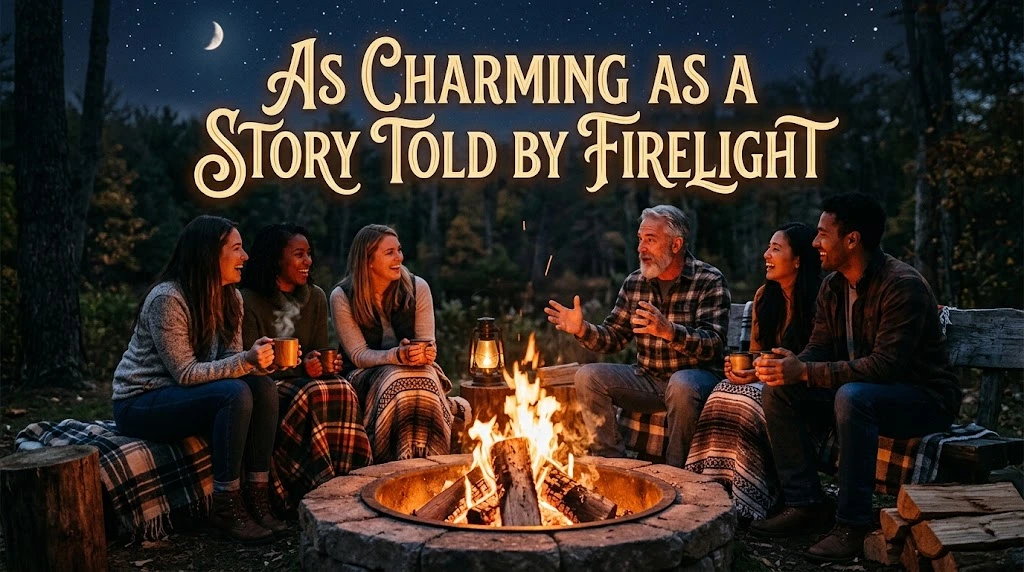
Meaning: This simile describes something warm, captivating, nostalgic, and emotionally engaging.
Usage Insight: It is ideal for storytelling, character descriptions, and writing about memorable conversations or experiences.
Examples:
- Her voice was as charming as a story told by firelight.
- The village seemed as charming as a story told by firelight on a winter evening.
8. Like a Rose Opening at Dawn
Meaning: This comparison suggests delicate, graceful, and gradually revealed charm.
Usage Insight: Use it for descriptions where beauty or personality becomes more appealing over time.
Examples:
- Her confidence unfolded like a rose opening at dawn.
- The old town revealed its charm like a rose opening at dawn.
9. As Charming as a Path Through a Quiet Forest
Meaning: This simile conveys peacefulness, mystery, beauty, and an inviting sense of discovery.
Usage Insight: It works particularly well for describing places, personalities, journeys, or experiences that make people want to explore further.
Examples:
- His thoughtful personality was as charming as a path through a quiet forest.
- The little bookstore was as charming as a path through a quiet forest, inviting visitors to wander.
10. Like Moonlight Resting on Still Water
Meaning: This comparison expresses elegant, peaceful, subtle, and almost magical charm.
Usage Insight: Use it for romantic writing, poetry, descriptions of graceful people, or quiet nighttime scenes.
Examples:
- Her smile was like moonlight resting on still water.
- The garden looked like moonlight resting on still water beneath the evening sky.
11. As Charming as a Bird Singing at Sunrise
Meaning: This simile suggests natural joy, freshness, friendliness, and uplifting energy.
Usage Insight: It is useful when describing a cheerful voice, personality, laugh, or morning atmosphere.
Examples:
- Her laughter was as charming as a bird singing at sunrise.
- The child’s excitement was as charming as a bird singing at sunrise.
12. Like an Ancient Tree with Friendly Branches
Meaning: This comparison combines wisdom, strength, warmth, and welcoming charm.
Usage Insight: It is particularly effective for describing mature personalities or people whose presence makes others feel safe and comfortable.
Examples:
- His kindness was like an ancient tree with friendly branches.
- The teacher had a welcoming nature like an ancient tree with friendly branches.
13. As Charming as a Hidden Village by the Sea
Meaning: This simile suggests beauty that feels peaceful, authentic, surprising, and away from ordinary life.
Usage Insight: Use it when describing places or people whose charm feels special because it is genuine rather than flashy.
Examples:
- The coastal town was as charming as a hidden village by the sea.
- Her personality was as charming as a hidden village by the sea, peaceful but full of stories.
14. Like a Firefly Glowing in Summer Grass
Meaning: This comparison suggests a small but memorable charm that catches attention naturally.
Usage Insight: It works best when describing subtle beauty, a special smile, a brief moment, or someone who quietly stands out.
Examples:
- Her smile appeared like a firefly glowing in summer grass.
- His gentle humor was like a firefly glowing in summer grass, small but unforgettable.
15. As Charming as a Tree in Golden Autumn Light
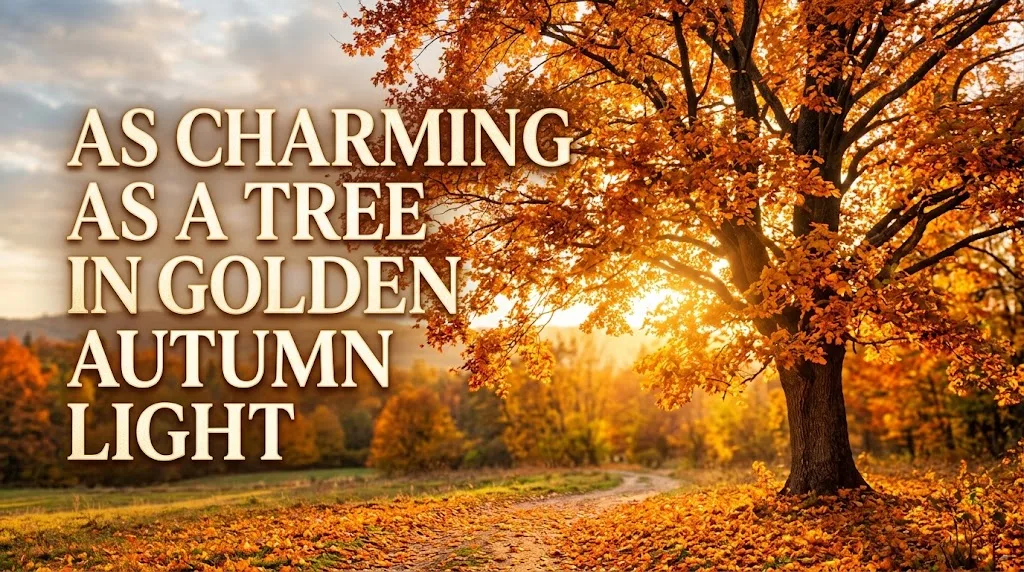
Meaning: This simile combines warmth, beauty, maturity, and peaceful elegance.
Usage Insight: It is especially useful for describing people with graceful personalities or scenes that feel beautiful and emotionally rich.
Examples:
- Her graceful manner was as charming as a tree in golden autumn light.
- The old house looked as charming as a tree in golden autumn light.
How to Use Similes Effectively in Writing
Using similes effectively is not simply about adding the words “like” or “as.” A strong comparison should add meaning, create an image, or strengthen an emotion.
1. Use Similes in Poems
Poetry benefits from comparisons because similes can turn abstract emotions into vivid pictures. Instead of saying “I felt peaceful,” you might write, “My thoughts were like a quiet lake beneath the moon.”
2. Use Them in Stories
Similes can make characters more memorable. Rather than simply calling someone charming, compare their personality to something readers can picture, such as sunlight, a garden, or an old tree.
3. Use Them in Essays
Academic and explanatory writing should generally use figurative language carefully. A well-chosen simile can clarify a complex idea, but it should support the argument rather than distract from it.
4. Use Them in Songs
Similes are useful in lyrics because they create emotional images in very few words. Comparisons involving nature can give songs warmth, rhythm, and memorable imagery.
5. Use Them in Creative Descriptions
When describing people, places, weather, emotions, or objects, choose comparisons that match the exact quality you want to communicate. A charming person might be compared with sunlight, while a mysterious place might be compared with a hidden forest path.
6. Avoid Overusing Comparisons
Too many similes can make writing feel crowded. Select the comparisons that genuinely improve the description and remove those that merely repeat an idea.
7. Choose Fresh Images
Common comparisons can be useful, but original images often make writing more memorable. Nature provides endless possibilities, from ancient trees and wildflowers to moonlight, rivers, birds, and mountain paths.
Similes in Literature and Figurative Language
Similes have an important role in literature because they allow writers to connect unfamiliar ideas with familiar experiences. A character’s personality can be compared with a tree, a voice with music, or a smile with sunlight. These comparisons help readers visualize scenes while also understanding emotional qualities.
Nature similes are particularly effective because the natural world contains recognizable symbols. Trees can represent strength and wisdom, flowers can suggest beauty, rivers can represent movement and change, and sunlight can suggest hope and warmth.
When writers use these comparisons carefully, figurative language becomes more than decoration. It becomes a tool for creating atmosphere, revealing character, and adding emotional depth.
FAQs About Similes for Charming
What are some good similes for charming?
Some effective similes include “as charming as a garden in spring,” “like sunlight dancing through leaves,” and “as charming as a lantern in the dark.” The best choice depends on whether you want to emphasize beauty, warmth, friendliness, or elegance.
What is the difference between a simile and a metaphor?
A simile makes a comparison using words such as “like” or “as,” while a metaphor directly states that one thing is another. For example, “Her smile was like sunlight” is a simile, while “Her smile was sunlight” is a metaphor.
Can similes for charming be used in creative writing?
Yes. Similes are especially useful in poems, stories, songs, novels, character descriptions, and other forms of creative writing because they make descriptions more vivid and emotional.
Can similes be used in academic writing?
Yes, but they should be used selectively. In academic writing, a clear comparison can help explain an idea, but excessive figurative language may reduce precision and formality.
Why are nature similes effective for describing charm?
Nature offers familiar and emotionally meaningful images. Sunlight, flowers, trees, birds, rivers, and moonlight can communicate qualities such as warmth, beauty, peace, strength, and grace without requiring a long explanation.
Conclusion
The right similes for charming can transform a simple description into something vivid, memorable, and emotionally powerful. Instead of merely telling readers that a person, place, or moment is charming, a carefully chosen comparison allows them to experience that charm through imagery. From sunlight dancing through leaves to a tree glowing beneath golden autumn light, nature provides countless ways to express beauty and warmth. These comparisons also show why similes remain such an important part of figurative language, creative writing, and literature. A strong simile adds clarity by making an idea easier to understand, imagery by creating a picture in the reader’s mind, and emotional depth by connecting descriptions with familiar experiences. Whether you are writing a poem, story, essay, song, or personal description, choose comparisons that feel natural and meaningful. Let your words grow like strong trees, reaching beyond simple descriptions and creating lasting images in the minds of your readers. With thoughtful similes, even an ordinary sentence can become charming, expressive, and unforgettable.