
Amazing things deserve amazing descriptions. Sometimes, ordinary words like “great,” “wonderful,” or “impressive” are not enough to capture the true impact of a person, place, event, or experience. This is where similes become valuable tools in writing. Similes help readers visualize ideas by making direct comparisons using words such as “like” or “as.” They add color, emotion, and depth to language, making descriptions more memorable and engaging.
2Many famous similes in literature have endured because they create vivid mental images that readers instantly understand. Whether you are writing poetry, stories, essays, speeches, or creative descriptions, strong comparisons can make your work more expressive. In this guide, you will discover some of the best similes for amazing, along with meanings, usage tips, and practical examples to strengthen your writing.
What Is a Simile?
A simile is a figure of speech that compares two different things using the words “like” or “as.” Similes help writers create vivid imagery and make ideas easier to understand.
Example:
Her smile was as bright as the morning sun.
This comparison helps readers immediately imagine the warmth and brightness of the smile.
1. Amazing as a Sky Full of Shooting Stars
Meaning
Something extraordinarily beautiful, exciting, or unforgettable.
Usage Insight
This simile works best when describing breathtaking moments, achievements, or experiences that leave a lasting impression.
Examples
- The concert was as amazing as a sky full of shooting stars lighting up the night.
- Their wedding celebration felt as amazing as a sky full of shooting stars.
2. Amazing Like a Rainbow After a Storm
Meaning
Something wonderful that appears after difficulty or hardship.
Usage Insight
Use this comparison when highlighting hope, recovery, or positive outcomes.
Examples
- Her success was amazing like a rainbow after a storm.
- The team’s comeback victory felt amazing like a rainbow after a storm.
3. Amazing as a Mountain Peak at Sunrise
Meaning
Remarkably inspiring, majestic, and awe-inspiring.
Usage Insight
Ideal for describing accomplishments, natural beauty, or extraordinary people.
Examples
- The view from the cliff was as amazing as a mountain peak at sunrise.
- His dedication to helping others was as amazing as a mountain peak at sunrise.
4. Amazing Like a Hidden Treasure
Meaning
Unexpectedly valuable and delightful.
Usage Insight
Use this simile for discoveries, talents, opportunities, or special moments.
Examples
- The small bookstore was amazing like a hidden treasure.
- Her advice proved amazing like a hidden treasure when I needed guidance.
5. Amazing as a Field of Wildflowers in Bloom
Meaning
Exceptionally beautiful, vibrant, and uplifting.
Usage Insight
This nature simile works especially well in descriptive and poetic writing.
Examples
- The garden looked as amazing as a field of wildflowers in bloom.
- Her artwork was as amazing as a field of wildflowers in bloom.
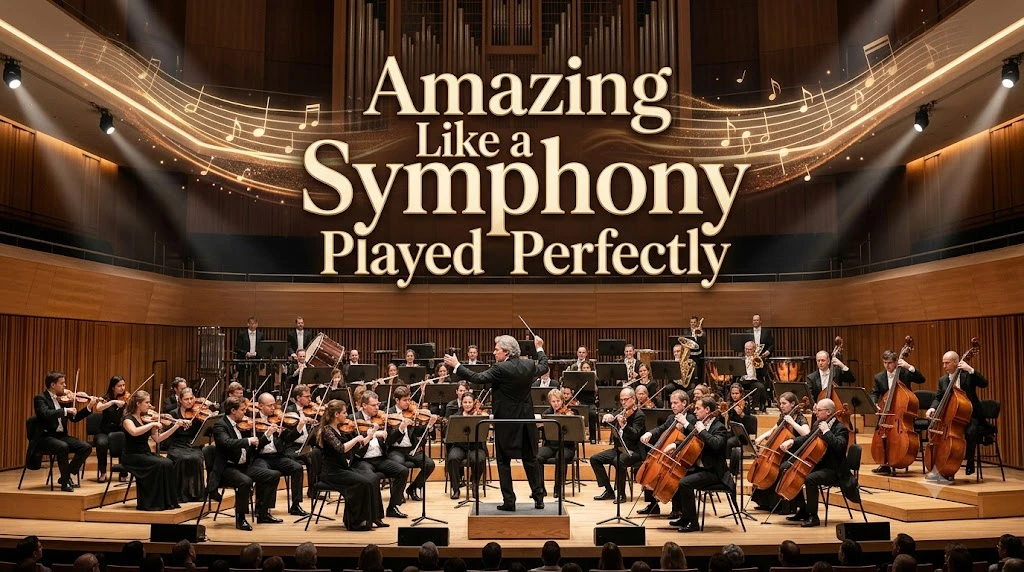
6. Amazing Like a Symphony Played Perfectly
Meaning
Wonderfully balanced, harmonious, and impressive.
Usage Insight
Use this simile when describing teamwork, performances, or flawless execution.
Examples
- The event unfolded amazing like a symphony played perfectly.
- Their collaboration was amazing like a symphony played perfectly.
7. Amazing as a Lighthouse in the Dark
Meaning
Exceptionally helpful, inspiring, or reassuring.
Usage Insight
This comparison is effective when describing guidance, leadership, or support.
Examples
- Her encouragement was as amazing as a lighthouse in the dark.
- The mentor’s wisdom felt as amazing as a lighthouse in the dark.
8. Amazing Like the First Ray of Morning Light
Meaning
Refreshing, hopeful, and uplifting.
Usage Insight
Perfect for describing new beginnings or positive changes.
Examples
- The opportunity arrived amazing like the first ray of morning light.
- Her cheerful attitude was amazing like the first ray of morning light.
9. Amazing as an Eagle Soaring Above the Clouds
Meaning
Exceptionally powerful, free, and inspiring.
Usage Insight
Use this simile when describing ambition, achievement, or confidence.
Examples
- His performance was as amazing as an eagle soaring above the clouds.
- The athlete’s determination seemed as amazing as an eagle soaring above the clouds.
10. Amazing Like a Diamond Catching the Sun
Meaning
Brilliant, dazzling, and valuable.
Usage Insight
This simile works well when emphasizing beauty, talent, or excellence.
Examples
- Her singing voice was amazing like a diamond catching the sun.
- The new design looked amazing like a diamond catching the sun.
11. Amazing as a Waterfall in Full Flow
Meaning
Powerful, captivating, and impossible to ignore.
Usage Insight
Ideal for describing energy, creativity, or natural beauty.
Examples
- The dancer’s performance was as amazing as a waterfall in full flow.
- His creativity felt as amazing as a waterfall in full flow.
12. Amazing Like a Castle Made of Dreams

Meaning
Magical, extraordinary, and beyond expectations.
Usage Insight
Use this comparison in storytelling and imaginative descriptions.
Examples
- The theme park looked amazing like a castle made of dreams.
- The celebration was amazing like a castle made of dreams.
13. Amazing as the Northern Lights Dancing Across the Sky
Meaning
Rare, stunning, and unforgettable.
Usage Insight
This simile is excellent for emphasizing uniqueness and wonder.
Examples
- The experience was as amazing as the Northern Lights dancing across the sky.
- Her talent seemed as amazing as the Northern Lights dancing across the sky.
14. Amazing Like a Perfectly Told Story
Meaning
Deeply engaging, meaningful, and memorable.
Usage Insight
Use this simile when describing communication, entertainment, or emotional experiences.
Examples
- The film was amazing like a perfectly told story.
- His speech was amazing like a perfectly told story.
15. Amazing as a Star Shining Alone in the Night
Meaning
Exceptionally remarkable and distinct from everything around it.
Usage Insight
This simile is useful when highlighting individuality and excellence.
Examples
- Her achievement was as amazing as a star shining alone in the night.
- The young inventor’s idea was as amazing as a star shining alone in the night.
How to Use Similes Effectively in Writing
Similes are most effective when they create clear and meaningful comparisons. Here are some practical tips for using them successfully:
Choose Familiar Images
Readers connect more easily with comparisons they recognize, such as stars, mountains, rivers, or sunlight.
Match the Tone
Use elegant similes for formal writing and simple similes for everyday communication.
Avoid Overusing Similes
A few strong comparisons create greater impact than too many crowded together.
Use Nature Similes for Vivid Imagery
Nature provides endless inspiration. Comparisons involving oceans, forests, flowers, sunsets, and storms often create powerful mental pictures.
Strengthen Emotional Writing
Similes can help readers feel excitement, joy, sadness, hope, or wonder more deeply.
Enhance Poems and Songs
Creative comparisons add rhythm, beauty, and emotional resonance to artistic writing.
Improve Stories and Essays
Well-placed similes make descriptions more engaging while helping readers visualize scenes and ideas.
FAQs About Similes for Amazing
What are similes for amazing?
Similes for amazing are comparisons that help describe something extraordinary, impressive, beautiful, or inspiring by using the words “like” or “as.” For example, “as amazing as a sky full of shooting stars.”
What is the difference between a simile and a metaphor?
A simile compares two things using “like” or “as,” while a metaphor directly states that one thing is another. For example:
- Simile: Her voice was like music.
- Metaphor: Her voice was music.
Why are similes important in figurative language?
Similes make writing more vivid, expressive, and memorable. They help readers visualize ideas and connect emotionally with the text.
Are similes commonly used in literature?
Yes. Similes are among the most popular figurative language examples found in poetry, novels, speeches, and classic literature because they create strong imagery and meaningful comparisons.
Can similes be used in academic writing?
Yes, but they should be used carefully. Similes can make explanations clearer and more engaging, especially when illustrating complex ideas, though formal academic writing generally uses them sparingly.
Conclusion
The best similes for amazing transform ordinary descriptions into vivid, memorable experiences. By comparing remarkable people, places, events, and emotions to powerful images from nature and everyday life, writers create stronger connections with readers. These comparisons add clarity, imagery, and emotional depth while making language more engaging and expressive. Whether you are crafting poetry, storytelling, essays, speeches, or creative descriptions, thoughtful similes can elevate your writing from simple to unforgettable. Mastering these figurative language techniques will help you communicate ideas with greater beauty, precision, and impact.