
Introduction
Poems for kids become more exciting when they include colorful and creative language. One of the easiest ways to make a poem more vivid is by using similes. A simile compares two different things using the words “like” or “as” to help readers imagine ideas more clearly. Similes are an important part of figurative language because they add emotion, beauty, and imagination to writing. Young readers enjoy similes because they make poems fun, memorable, and easy to understand.
Trees are powerful symbols of strength, growth, resilience, wisdom, and human emotion, so they often appear in poems and figurative language examples. Learning similes also helps children appreciate similes in literature and create meaningful comparisons in their own writing. This guide shares creative similes that can inspire poems for kids while making every verse more colorful and expressive.
What Is a Simile?
A simile is a figure of speech that compares two different things using the words “like” or “as.” Similes help readers create clear mental pictures and make writing more interesting.
Example:
The little bird sang like a tiny flute.
This comparison helps readers imagine the sweet, gentle sound of the bird.
As Bright as the Morning Sun
Meaning
Describes someone or something cheerful, happy, and full of energy.
Best Usage
Perfect for poems about happiness, friendship, or a joyful beginning.
Examples
- Her smile was as bright as the morning sun, lighting up the classroom.
- The children’s laughter was as bright as the morning sun during recess.
Like a Tree Reaching for the Sky
Meaning
Represents growth, hope, and determination.
Best Usage
Works well in poems about dreams, learning, or personal growth.
Examples
- He stood like a tree reaching for the sky, proud and confident.
- Every new idea grew like a tree reaching for the sky.
As Soft as a Bunny’s Fur
Meaning
Describes something gentle and comforting.
Best Usage
Ideal for poems about family, animals, or bedtime.
Examples
- The blanket felt as soft as a bunny’s fur.
- Her tiny kitten was as soft as a bunny’s fur.
Like Stars Dancing in the Night
Meaning
Shows beauty, sparkle, and wonder.
Best Usage
Great for nature poems and imaginative writing.
Examples
- Fireflies floated like stars dancing in the night.
- The lights twinkled like stars dancing in the night.
As Busy as a Honeybee
Meaning
Describes someone who is hardworking and active.
Best Usage
Excellent for school poems or stories about teamwork.
Examples
- Emma was as busy as a honeybee preparing her science project.
- The classroom buzzed like a busy honeybee’s hive.
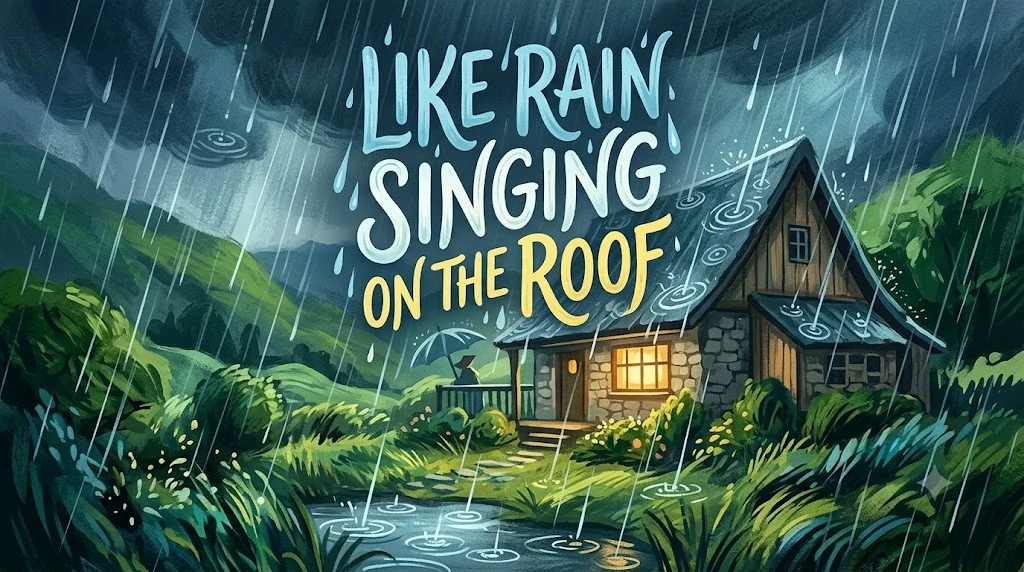
Like Rain Singing on the Roof
Meaning
Represents calmness and peaceful sounds.
Best Usage
Perfect for quiet moments and relaxing poems.
Examples
- The gentle music sounded like rain singing on the roof.
- The evening breeze whispered like rain singing on the roof.
As Gentle as Falling Snow
Meaning
Describes kindness and softness.
Best Usage
Suitable for poems about love, friendship, or winter.
Examples
- Grandma’s voice was as gentle as falling snow.
- His caring words felt as gentle as falling snow.
Like a Rainbow After Rain
Meaning
Symbolizes hope after difficult times.
Best Usage
Ideal for encouraging and uplifting poems.
Examples
- Her success appeared like a rainbow after rain.
- Their friendship returned like a rainbow after rain.
As Free as a Flying Bird
Meaning
Expresses freedom and happiness.
Best Usage
Works beautifully in adventure and nature poems.
Examples
- The children ran as free as a flying bird.
- My imagination felt as free as a flying bird.
Like Leaves Dancing in the Wind
Meaning
Shows graceful movement and joy.
Best Usage
Excellent for autumn and nature similes.
Examples
- The children skipped like leaves dancing in the wind.
- The colorful ribbons fluttered like leaves dancing in the wind.
As Strong as an Old Oak Tree
Meaning
Represents strength, courage, and resilience.
Best Usage
Perfect for inspirational poems and character descriptions.
Examples
- Dad stood as strong as an old oak tree.
- Her courage remained as strong as an old oak tree.
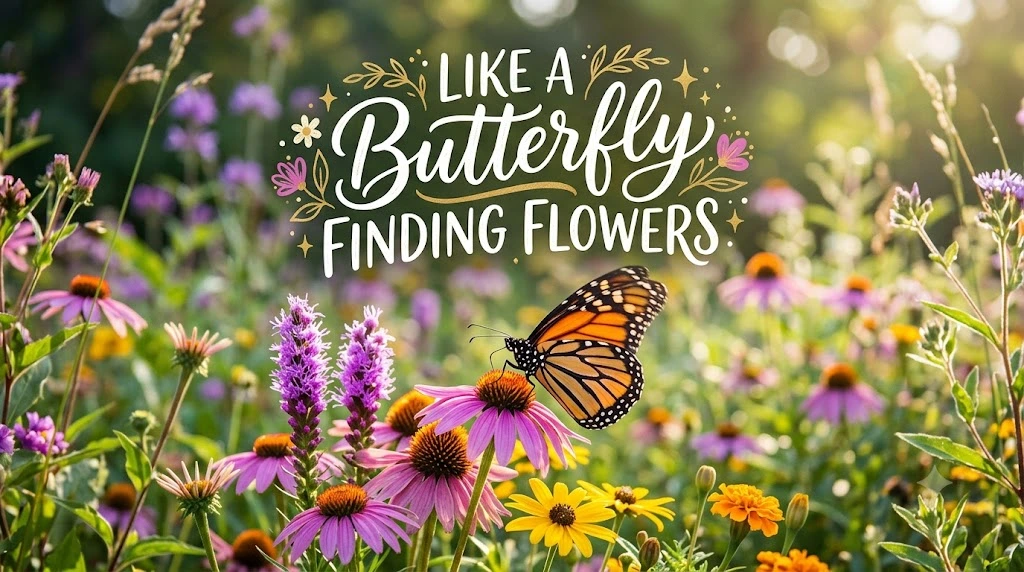
Like a Butterfly Finding Flowers
Meaning
Represents curiosity and discovery.
Best Usage
Ideal for poems about learning and exploration.
Examples
- The young explorer wandered like a butterfly finding flowers.
- She discovered books like a butterfly finding flowers.
As Sweet as Fresh Honey
Meaning
Describes kindness, love, or pleasant words.
Best Usage
Great for friendship and family poems.
Examples
- His greeting was as sweet as fresh honey.
- Their conversation remained as sweet as fresh honey.
Like Waves Hugging the Shore
Meaning
Shows comfort, love, and consistency.
Best Usage
Perfect for emotional and family-themed poems.
Examples
- Mom’s hugs felt like waves hugging the shore.
- The melody flowed like waves hugging the shore.
As Colorful as a Garden in Spring
Meaning
Represents beauty, happiness, and creativity.
Best Usage
Wonderful for seasonal and descriptive poems.
Examples
- The artwork was as colorful as a garden in spring.
- Her imagination bloomed as colorful as a garden in spring.
How to Use Similes Effectively in Writing
Using similes can make poems for kids more exciting and meaningful. Keep these tips in mind:
- Choose familiar objects that children can easily imagine.
- Use nature similes to create vivid mental pictures.
- Avoid using too many similes in one paragraph or poem.
- Match the comparison with the mood of your writing.
- Read your poem aloud to see if the simile sounds natural.
- Use figurative language examples to add emotion without making sentences confusing.
- Try fresh comparisons instead of overused expressions.
- Practice by describing everyday objects with creative similes.
Frequently Asked Questions
What are poems for kids?
Poems for kids are simple, enjoyable poems written with easy vocabulary, rhythm, and imaginative language that children can understand and enjoy.
Why are similes useful in poems for kids?
Similes make poems more colorful by helping children visualize ideas through easy comparisons, making reading more engaging and memorable.
What is the difference between a simile and a metaphor?
A simile compares two things using “like” or “as,” while a metaphor says one thing is another without using those words.
Can similes be used in school essays?
Yes. Similes can improve creative essays, descriptive writing, speeches, and stories by adding vivid imagery and making ideas easier to understand.
Where can children find similes in literature?
Children can discover similes in poems, fairy tales, novels, classroom reading books, and many classic works of literature where authors use comparisons to create memorable images.
Conclusion
Poems for kids become more enjoyable when they include creative similes that paint clear pictures in the reader’s mind. Whether you compare courage to an old oak tree, happiness to the morning sun, or dreams to a tree reaching for the sky, similes make every poem richer and more expressive. These figurative language examples help young writers develop imagination, strengthen descriptive skills, and create meaningful comparisons that readers remember. By practicing nature similes and exploring similes in literature, children can write poems that are vivid, emotional, and full of life. With thoughtful comparisons and a little creativity, every young poet can turn simple words into unforgettable verses.