
Death is one of the most profound themes in human life, and writers often use powerful similes for death to express emotions that are difficult to describe with ordinary words. Similes make writing more vivid by comparing one thing to another using the words “like” or “as.” They help readers imagine feelings, scenes, and experiences with greater clarity. In figurative language, similes bring emotion, beauty, and meaning to both simple and complex ideas. Nature is one of the richest sources of inspiration for these comparisons because it reflects life’s endless cycles.
Trees, in particular, are powerful symbols of strength, growth, resilience, wisdom, and human emotion, reminding us that every ending is also part of a natural beginning. Whether a tree loses its leaves or stands firm through storms, it mirrors many stages of life and loss. This guide explores powerful similes for death that can enrich your poems, stories, essays, and creative writing while using simple and reader-friendly English.
What Is a Simile?
A simile is a figure of speech that compares two different things using the words “like” or “as.” Similes help readers create vivid mental images and better understand emotions, actions, or experiences through meaningful comparisons.
Example:
Death came as quietly as falling autumn leaves.
This comparison paints a peaceful image while expressing the gentle arrival of death.
Like a Candle Quietly Burning Out
Meaning
This simile compares death to a candle whose flame slowly fades, suggesting a peaceful and natural ending.
Usage Insight
It works especially well in reflective stories, memorial writing, and emotional poetry where a gentle tone is desired.
Examples:
- His final breath faded like a candle quietly burning out.
- The old man’s life ended like a candle reaching its final flicker.
Like Autumn Leaves Drifting to the Ground
Meaning
This simile compares death to leaves naturally falling from trees, symbolizing the cycle of life.
Usage Insight
Use this comparison when emphasizing acceptance, nature, or the passage of time.
Examples:
- Memories fell like autumn leaves drifting to the ground after her passing.
- His departure came like autumn leaves carried by the wind.
Like the Sun Slipping Beyond the Horizon
Meaning
Death is compared to a sunset, suggesting peace rather than fear.
Usage Insight
Ideal for hopeful or comforting writing that highlights endings without harshness.
Examples:
- Her life faded like the sun slipping beyond the horizon.
- He smiled like the evening sun disappearing into the distance.
Like a River Meeting the Sea
Meaning
This simile suggests that death is a natural journey toward something greater.
Usage Insight
Excellent for philosophical essays, inspirational speeches, and spiritual writing.
Examples:
- His soul moved on like a river meeting the sea.
- She accepted death like a river completing its journey.
Like Snow Melting in the Morning Light
Meaning
This comparison reflects the quiet and gradual disappearance of life.
Usage Insight
Use this simile when describing peaceful transitions or fading memories.
Examples:
- His strength vanished like snow melting in the morning light.
- Life slipped away like fresh snow beneath the warm sun.
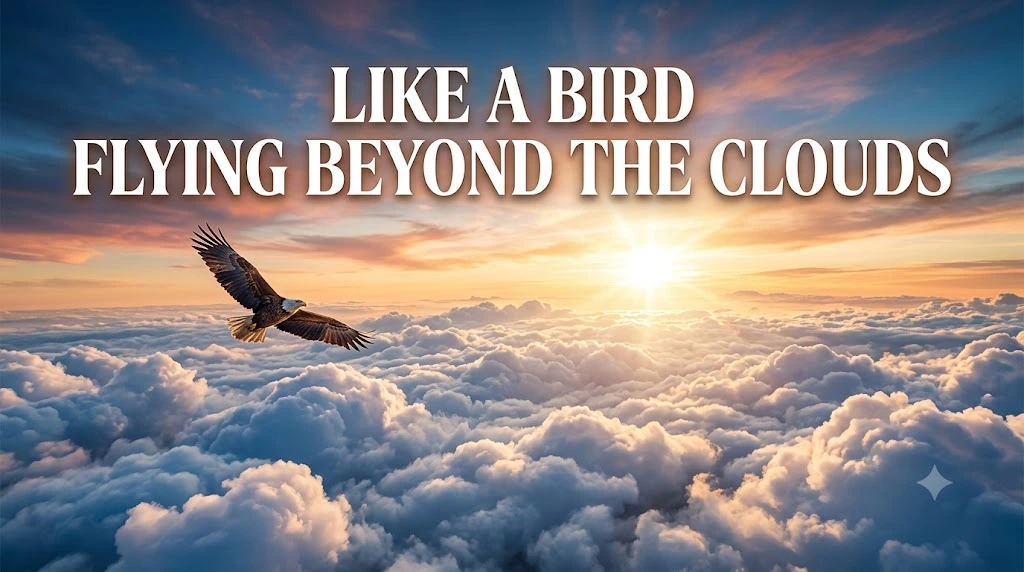
Like a Bird Flying Beyond the Clouds
Meaning
Death is portrayed as freedom and release from earthly struggles.
Usage Insight
Perfect for hopeful poems and comforting memorial tributes.
Examples:
- Her spirit rose like a bird flying beyond the clouds.
- He departed like an eagle soaring into endless skies.
Like a Flower Closing at Dusk
Meaning
The simile suggests life’s gentle conclusion at the end of its natural cycle.
Usage Insight
This comparison works beautifully in descriptive and emotional writing.
Examples:
- His life closed like a flower at dusk.
- She rested like a blossom folding its petals for the night.
Like a Star Fading at Dawn
Meaning
Death is compared to a star disappearing as daylight arrives.
Usage Insight
Ideal for poetic descriptions that blend beauty with loss.
Examples:
- His presence faded like a star at dawn.
- Her light disappeared like the final star before sunrise.
Like a Whisper Lost in the Wind
Meaning
This simile expresses how quietly someone can leave the world.
Usage Insight
Best used in reflective narratives and emotional storytelling.
Examples:
- He passed like a whisper lost in the wind.
- Her final words vanished like a breeze across the hills.
Like an Empty Nest After Spring
Meaning
Death is compared to the sadness and silence left behind after loved ones are gone.
Usage Insight
Useful when focusing on grief and the absence left by someone.
Examples:
- The family felt like an empty nest after his passing.
- The house stood silent like a nest abandoned after spring.
Like a Tree Standing After the Storm
Meaning
This simile highlights the lasting legacy of someone even after death.
Usage Insight
Perfect for inspirational biographies and memorial speeches.
Examples:
- His memory remained like a tree standing after the storm.
- Though she was gone, her influence stayed like an ancient oak.
Like the Final Note of a Beautiful Song
Meaning
Death is portrayed as the graceful ending of a meaningful life.
Usage Insight
Works well in biographies, eulogies, and literary writing.
Examples:
- His life ended like the final note of a beautiful song.
- She departed like music fading into peaceful silence.
Like the Last Page of a Beloved Book

Meaning
This comparison suggests that every life tells a complete story.
Usage Insight
Ideal for essays, speeches, and reflective fiction.
Examples:
- His journey closed like the last page of a beloved book.
- Her story ended like a treasured novel reaching its conclusion.
Like Mist Disappearing with the Sunrise
Meaning
The simile illustrates life’s quiet and temporary nature.
Usage Insight
Use this comparison in gentle, thoughtful descriptions.
Examples:
- His worries disappeared like mist at sunrise.
- She slipped away like morning fog beneath the first light.
Like a Door Closing Softly Behind You
Meaning
Death is compared to quietly entering another stage of existence.
Usage Insight
Effective for symbolic writing and thoughtful reflections.
Examples:
- His passing felt like a door closing softly behind him.
- She embraced the end like a gentle door closing without fear.
How to Use Similes Effectively in Writing
Using powerful similes for death can make your writing more emotional and memorable when handled with care. Here are a few practical tips:
- Choose comparisons that match the tone of your writing.
- Draw inspiration from nature similes, such as trees, rivers, seasons, stars, and flowers.
- Avoid overly dramatic comparisons unless they fit the story.
- Keep your similes fresh and original instead of relying only on common expressions.
- Use similes to reveal emotions rather than simply describe events.
- Read similes in literature to learn how skilled authors create meaningful imagery.
- Balance figurative language with clear writing so readers never become confused.
- Practice using different figurative language examples in poems, stories, essays, songs, and creative descriptions.
FAQs
What are powerful similes for death?
Powerful similes for death are comparisons that describe death using vivid imagery, such as “like autumn leaves drifting to the ground” or “like a candle quietly burning out.” They help express emotion with clarity and sensitivity.
What is the difference between a simile and a metaphor?
A simile compares two things using “like” or “as,” while a metaphor makes a direct comparison without those words. For example:
- Simile: Life ended like a sunset.
- Metaphor: Life was a sunset.
Why are similes important in creative writing?
Similes make descriptions more engaging, help readers visualize scenes, and create stronger emotional connections through meaningful comparisons.
Can similes about death be used in academic writing?
Yes. In literary analysis or discussions of similes in literature, they can effectively explain symbolism, themes, and figurative language without becoming overly emotional.
How can I create original similes for death?
Observe nature, human experiences, music, seasons, and everyday life. Compare the qualities of death—such as silence, peace, or finality—to familiar images while keeping the comparison natural and meaningful.
Conclusion
Using powerful similes for death allows writers to express one of life’s deepest experiences with grace, sensitivity, and vivid imagery. Whether inspired by trees, rivers, sunsets, stars, or changing seasons, these comparisons help readers connect with emotions that are often difficult to describe directly. Thoughtfully chosen similes add clarity, beauty, and emotional depth to poems, stories, essays, speeches, and other forms of creative writing. By exploring nature similes, studying figurative language examples, and learning from similes in literature, you can craft comparisons that leave a lasting impression. As you continue developing your writing, let these meaningful similes inspire richer storytelling and more powerful emotional expression.