
Animals have always inspired writers because their movements, habits, and natural qualities can help us describe people, emotions, and everyday experiences. Similes about animals make writing more vivid by comparing one thing to another with words such as “like” or “as.” These comparisons are an important part of figurative language because they help readers picture an idea instead of simply reading a plain description. A person can be described as brave like a lion, quick like a hare, or gentle like a dove, creating an image that is easy to understand and remember.
Nature also gives writers endless inspiration, and trees are powerful symbols of strength, growth, resilience, wisdom, and human emotion. Their deep roots can represent stability, while their branches reaching toward the sky can symbolize hope, ambition, and personal growth. Like trees surviving changing seasons, animals also show qualities such as patience, courage, freedom, loyalty, and adaptability that can enrich our descriptions. In this guide, you will discover original similes about animals, their meanings, when to use them, and practical figurative language examples for creative and academic writing.
What Is a Simile?
A simile is a figure of speech that compares two different things using words such as “like” or “as.” Writers use similes to create vivid pictures, explain ideas clearly, and add emotional depth to their words.
Example:
He was as brave as a lion when he defended his friend.
The comparison connects the person’s courage with the strength and bravery commonly associated with a lion.
1. As Brave as a Lion Facing the Wild
Meaning
This simile describes someone who shows exceptional courage, confidence, and strength when facing danger or difficulty. Lions are often associated with bravery and leadership, making them a natural comparison for fearless behavior.
When to Use It
Use this comparison when describing someone who stands firmly against a challenge instead of retreating.
Examples
- She was as brave as a lion when she spoke up for those who could not defend themselves.
- The young firefighter stood as bravely as a lion in the face of danger.
2. As Gentle as a Deer in Morning Mist
Meaning
This simile represents gentleness, sensitivity, innocence, and calmness. A deer moving quietly through a peaceful landscape creates an image of delicate and graceful behavior.
When to Use It
This comparison works well when describing a person, movement, voice, or personality that feels soft and peaceful.
Examples
- Her gentle manner was like a deer stepping quietly through the morning mist.
- He approached the frightened child as gently as a deer moving through a silent forest.
3. As Swift as a Falcon Through Open Skies
Meaning
This simile describes someone or something that moves with remarkable speed, precision, and focus. A falcon flying through open air provides a strong image of controlled movement.
When to Use It
Use this simile in action scenes, sports writing, adventure stories, or descriptions involving quick reactions.
Examples
- The runner moved as swiftly as a falcon sweeping across the open sky.
- Her eyes were as quick as a falcon’s when she spotted the mistake.
4. As Loyal as a Dog Waiting by the Door
Meaning
This comparison represents loyalty, devotion, trust, and patience. Dogs are widely recognized for their close bonds with people and their faithful companionship.
When to Use It
This simile is especially effective for describing friendships, relationships, pets, or characters who remain dependable during difficult times.
Examples
- His friendship was as loyal as a dog waiting faithfully by the door.
- She remained beside her brother as faithfully as a devoted dog.
5. As Curious as a Cat Exploring a New Room
Meaning
This simile describes someone who is inquisitive, observant, adventurous, or eager to discover something unfamiliar.
When to Use It
Use this comparison when describing children, explorers, students, detectives, or characters who constantly ask questions.
Examples
- The little girl was as curious as a cat exploring a room for the first time.
- He examined every detail with the curiosity of a cat discovering a new place.
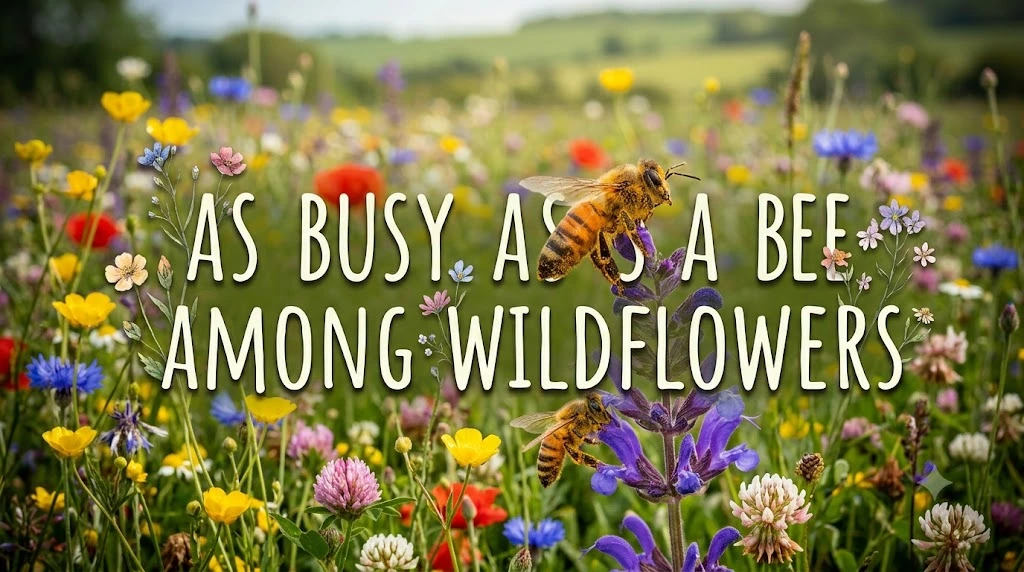
6. As Busy as a Bee Among Wildflowers
Meaning
This simile describes someone who is energetic, hardworking, active, and constantly occupied. Bees moving from flower to flower create a vivid picture of purposeful activity.
When to Use It
This comparison works especially well for workplaces, classrooms, busy characters, and productive environments.
Examples
- The students were as busy as bees preparing for the school exhibition.
- She worked like a bee among wildflowers, finishing one task before starting another.
7. As Quiet as an Owl Before Dawn
Meaning
This simile creates an image of deep silence, calm observation, and stillness. An owl moving through the darkness before sunrise can suggest a quiet and watchful presence.
When to Use It
Use this comparison for peaceful settings, secret movements, thoughtful characters, or suspenseful scenes.
Examples
- The forest was as quiet as an owl waiting for dawn.
- He entered the room as silently as an owl moving through the darkness.
8. As Playful as a Dolphin Chasing Waves
Meaning
This simile expresses joy, energy, friendliness, and carefree behavior. Dolphins are often associated with playful movement and lively interaction.
When to Use It
This comparison is useful for describing children, cheerful personalities, happy animals, or energetic scenes.
Examples
- The children were as playful as dolphins racing through the waves.
- Her laughter was as lively as a dolphin leaping through the sea.
9. As Patient as a Tortoise Beneath the Sun
Meaning
This simile represents patience, persistence, steadiness, and calm determination. The tortoise is traditionally associated with moving slowly but continuing toward its destination.
When to Use It
Use this comparison when describing someone who understands that worthwhile results take time.
Examples
- He was as patient as a tortoise, refusing to rush his decision.
- She worked with the steady patience of a tortoise traveling toward its destination.
10. As Fierce as a Wolf Guarding Its Pack
Meaning
This simile represents protectiveness, determination, loyalty, and controlled power. A wolf protecting its pack creates a strong image of someone defending those they care about.
When to Use It
Use this comparison for protective parents, loyal friends, determined leaders, or characters facing threats.
Examples
- She became as fierce as a wolf when someone threatened her family.
- The captain defended his team with the determination of a wolf guarding its pack.
11. As Graceful as a Swan on Still Water
Meaning
This simile describes elegance, beauty, smooth movement, and calm confidence. A swan gliding across still water creates a naturally graceful image.
When to Use It
This comparison works well in descriptions of dancers, athletes, elegant movements, beautiful settings, or composed personalities.
Examples
- The dancer moved as gracefully as a swan across still water.
- She crossed the stage with the calm elegance of a swan.
12. As Strong as an Ox Pulling Through Mud
Meaning
This comparison describes physical strength, endurance, determination, and resilience. An ox working through difficult terrain creates a powerful image of persistence.
When to Use It
Use this simile when describing someone who continues working despite exhaustion or difficult circumstances.
Examples
- He remained as strong as an ox despite the exhausting journey.
- Her determination was as powerful as an ox pulling through heavy mud.
13. As Free as a Horse Running Across the Plains
Meaning
This simile represents freedom, independence, energy, and an unrestricted spirit. A horse running across wide-open land creates a strong image of movement without boundaries.
When to Use It
This comparison is ideal for writing about independence, adventure, travel, dreams, or emotional freedom.
Examples
- After leaving the stressful job, he felt as free as a horse running across open plains.
- Her imagination was as free as a horse racing beneath a limitless sky.
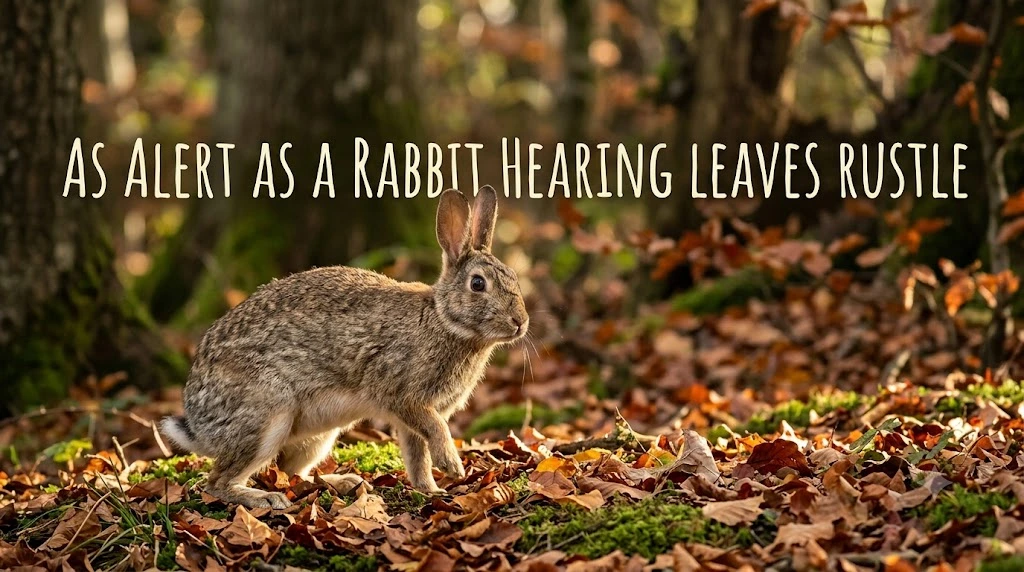
14. As Alert as a Rabbit Hearing Leaves Rustle
Meaning
This simile describes someone who is highly attentive, sensitive to danger, and quick to notice changes. A rabbit reacting to a small sound creates an image of heightened awareness.
When to Use It
Use this comparison in suspenseful stories, action scenes, or descriptions of people who notice small details quickly.
Examples
- The detective was as alert as a rabbit hearing leaves rustle nearby.
- She remained as watchful as a rabbit whenever she heard an unfamiliar sound.
15. As Wise as an Elephant Remembering Old Paths
Meaning
This simile represents wisdom, memory, experience, and emotional depth. Elephants are commonly associated with strong memories and complex social relationships.
When to Use It
This comparison works well for describing older characters, mentors, teachers, leaders, or people who have learned from past experiences.
Examples
- Her grandmother was as wise as an elephant remembering paths from long ago.
- The old teacher spoke with the calm wisdom of an elephant that had traveled many roads.
How to Use Similes Effectively in Writing
Knowing many similes about animals is useful, but choosing the right comparison is even more important. A good simile should strengthen your meaning rather than simply decorate a sentence.
1. Use Animal Similes in Poems
Poetry depends heavily on imagery and emotion. Animal comparisons can help poets turn feelings into memorable pictures.
For example:
Her hope fluttered like a bird searching for the morning sun.
This makes the abstract idea of hope easier to visualize.
2. Use Similes in Stories
Animal similes are excellent for character descriptions. Instead of saying someone is brave, quiet, curious, or energetic, show the quality through an animal comparison.
For example:
Marcus was as watchful as an owl whenever strangers entered the village.
The comparison gives readers both a personality trait and a mental picture.
3. Use Similes in Essays
Similes can clarify abstract ideas in essays when they are relevant and used sparingly. They can help explain concepts such as resilience, leadership, freedom, teamwork, determination, and personal growth.
Always make sure the comparison supports your main point.
4. Use Similes in Songs
Songs often depend on memorable imagery. An animal comparison can communicate an emotion quickly and create a strong visual impression.
For example:
My heart ran like a wild horse toward you.
The image communicates excitement and emotional movement without lengthy explanation.
5. Use Similes in Creative Descriptions
Animal comparisons can make ordinary descriptions much more vivid.
Instead of:
The child moved quickly.
You could write:
The child darted through the yard like a rabbit startled by a sudden sound.
The second version creates a much stronger mental image.
6. Choose the Animal Carefully
Every animal carries different associations. A lion may suggest courage, a rabbit alertness, a tortoise patience, and a horse freedom. Select an animal whose natural qualities genuinely match your intended meaning.
7. Avoid Forced Comparisons
A simile should feel natural. If the connection between the two things is unclear, readers may become distracted rather than engaged.
8. Keep Your Audience in Mind
Simple animal comparisons are excellent for children and beginner writers. More detailed and symbolic comparisons can work well in literary fiction, poetry, essays, and advanced creative writing.
9. Use Fresh Imagery
Common similes can be effective, but original comparisons can make your writing more memorable. Instead of repeatedly using familiar phrases, consider creating a specific image connected to the animal’s natural behavior.
10. Don’t Overuse Similes
Too many comparisons can weaken your writing. Choose one strong simile instead of filling every sentence with figurative language.
Similes About Animals in Literature and Figurative Language
Similes in literature help authors communicate character traits, emotions, settings, and actions in memorable ways. Animal comparisons are particularly effective because readers already understand many qualities associated with different creatures.
For example, a lion can suggest courage, a fox can suggest cleverness, a dove can suggest peace, and a horse can represent freedom. These associations allow writers to communicate complex ideas with relatively few words.
Nature similes can also connect human experiences with the natural world. A character might be “as patient as a tortoise,” “as graceful as a swan,” or “as alert as a rabbit.” Such comparisons create figurative language examples that readers can easily visualize.
However, writers should remember that animal symbolism can vary across cultures and contexts. The most effective comparison is one whose meaning is clear from the surrounding writing.
Why Animal Similes Make Writing More Vivid
Animals provide writers with a rich collection of characteristics. They can symbolize courage, loyalty, speed, patience, intelligence, freedom, gentleness, strength, curiosity, or determination.
This makes animal comparisons especially useful when describing human behavior. Instead of simply telling readers that someone is brave, a writer can compare that person’s courage to a lion. Instead of saying someone is extremely busy, the writer can compare their activity to a bee moving among flowers.
These comparisons transform plain descriptions into visual and emotional experiences. They also help readers remember ideas because an image is often easier to recall than an abstract adjective.
FAQs About Similes About Animals
1. What are some good similes about animals?
Some effective animal similes include “as brave as a lion,” “as busy as a bee,” “as loyal as a dog,” “as graceful as a swan,” and “as free as a horse running across the plains.” Each comparison highlights a different quality.
2. What is a simile for an animal?
A simile for an animal compares an animal or its behavior to something else using “like” or “as.” For example, “The rabbit was as quick as a flash” compares the rabbit’s speed to something extremely fast.
3. What is the difference between a simile and a metaphor?
A simile makes a comparison using words such as “like” or “as.” For example, “She is as graceful as a swan.” A metaphor makes a direct comparison without those words, such as “She is a swan on the stage.”
4. Can animal similes be used in academic writing?
Yes, but they should be used carefully. In academic writing, a simile should clarify an idea or make a concept easier to understand rather than make the writing overly decorative.
5. Why are animal similes useful in creative writing?
Animal similes give readers recognizable images and help communicate personality, movement, emotion, and behavior. They can make characters and descriptions more vivid, memorable, and emotionally engaging.
Conclusion: Let Animal Similes Give Your Writing a Stronger Voice
Similes about animals give writers a simple but powerful way to make language more vivid, expressive, and memorable. By comparing people, emotions, actions, and experiences with animals, you can communicate qualities such as courage, loyalty, patience, freedom, strength, curiosity, and grace with greater clarity. A lion can bring courage to life, a dog can represent loyalty, a swan can suggest elegance, and a horse can symbolize freedom. These comparisons also connect writing with the natural world, making nature similes especially effective in poems, stories, essays, songs, and creative descriptions. Strong figurative language examples do more than make sentences attractive; they help readers visualize an idea and feel its meaning. Whether you are describing a character, explaining an emotion, or creating an unforgettable scene, the right animal comparison can turn ordinary language into something much more engaging. The key is to choose an animal whose natural qualities genuinely match your message and to use the comparison naturally. When used thoughtfully, similes add clarity, imagery, and emotional depth to language, helping your readers see your ideas rather than simply read them.