Blue eyes have inspired poets, authors, and artists for centuries because they often symbolize mystery, peace, innocence, and beauty. One of the best ways to describe them vividly is by using similes, which create memorable comparisons that help readers picture a scene. Similes are an important part of figurative language because they make ordinary descriptions more colorful and expressive. Whether you’re writing a novel, poem, essay, or social media caption, a well-chosen simile can instantly strengthen your writing. Nature offers endless inspiration for eye color, from the blue sky to sparkling oceans and delicate flowers.
Just as trees symbolize strength, growth, resilience, wisdom, and deep human emotion, natural imagery helps writers connect readers with powerful feelings. Choosing the right comparison allows your audience to experience the emotion behind the description instead of simply reading it. In this guide, you’ll discover some of the most creative and meaningful similes for blue eyes, along with practical examples and writing tips you can use immediately.
What Is a Simile?
A simile is a figure of speech that compares two different things using the words “like” or “as.” Similes help readers imagine a person, object, or feeling more clearly by connecting it to something familiar.
Example:
Her blue eyes were like the calm sea at sunrise.
This comparison paints a peaceful image while suggesting beauty and tranquility.
Like the Clear Summer Sky
Meaning
This simile describes blue eyes that are bright, open, pure, and full of warmth.
Usage Insight
Use this simile when describing friendly, cheerful, or optimistic characters whose eyes radiate kindness.
Examples
- Her blue eyes were like the clear summer sky, making everyone feel welcome.
- The child smiled, his eyes shining like the clear summer sky after a storm.
Like the Deep Ocean
Meaning
This comparison suggests mystery, depth, intelligence, or hidden emotions.
Usage Insight
It works especially well in novels, romance, and dramatic storytelling where a character has a complex personality.
Examples
- His blue eyes were like the deep ocean, hiding countless untold stories.
- She couldn’t look away from eyes like the deep ocean.
Like Sparkling Sapphire Gems
Meaning
This simile highlights brilliance, elegance, and precious beauty.
Usage Insight
Ideal for romantic writing or luxurious descriptions.
Examples
- Her eyes sparkled like sapphire gems beneath the evening light.
- His bright blue eyes gleamed like sparkling sapphires.
Like a Mountain Lake
Meaning
It represents calmness, clarity, and peaceful beauty.
Usage Insight
Perfect for describing gentle, trustworthy characters.
Examples
- Her blue eyes were like a mountain lake, peaceful and crystal clear.
- He gazed at her eyes like a quiet alpine lake.
Like Morning Dew on Blue Flowers
Meaning
This comparison suggests freshness, innocence, and delicate beauty.
Usage Insight
Useful in poetry and descriptive storytelling.
Examples
- The baby’s eyes shimmered like morning dew on blue flowers.
- Her gentle gaze felt like dew sparkling on petals.
Like a Winter Sky

Meaning
This simile can express cool beauty, distance, or emotional reserve.
Usage Insight
Use it for mysterious or emotionally guarded characters.
Examples
- His blue eyes were like a winter sky, beautiful but difficult to read.
- She stared ahead with eyes like the pale winter heavens.
Like Shimmering Ice
Meaning
It symbolizes sharpness, confidence, elegance, or emotional coldness.
Usage Insight
Excellent for fantasy, thrillers, or strong character descriptions.
Examples
- Her eyes flashed like shimmering ice.
- His icy blue eyes glowed like frozen crystal.
Like Gentle Ocean Waves
Meaning
This simile reflects comfort, peace, and emotional warmth.
Usage Insight
Best suited for caring, compassionate characters.
Examples
- Her eyes moved like gentle ocean waves, calming everyone around her.
- His smile matched eyes like rolling blue waves.
Like a Robin’s Egg
Meaning
It emphasizes a soft, delicate shade of blue.
Usage Insight
Useful when describing unique or unusually light blue eyes.
Examples
- Her eyes were like a robin’s egg, soft and beautifully colored.
- The artist carefully painted eyes like robin’s eggs.
Like the First Light of Dawn
Meaning
This comparison represents hope, new beginnings, and optimism.
Usage Insight
Perfect for inspirational or uplifting writing.
Examples
- His blue eyes shone like the first light of dawn.
- She smiled with eyes like sunrise breaking across the horizon.
Like Blue Crystal
Meaning
It describes exceptional clarity, brightness, and purity.
Usage Insight
Works well in fantasy, romance, and elegant prose.
Examples
- Her eyes looked like blue crystal, flawless and brilliant.
- The prince possessed eyes like polished crystal.
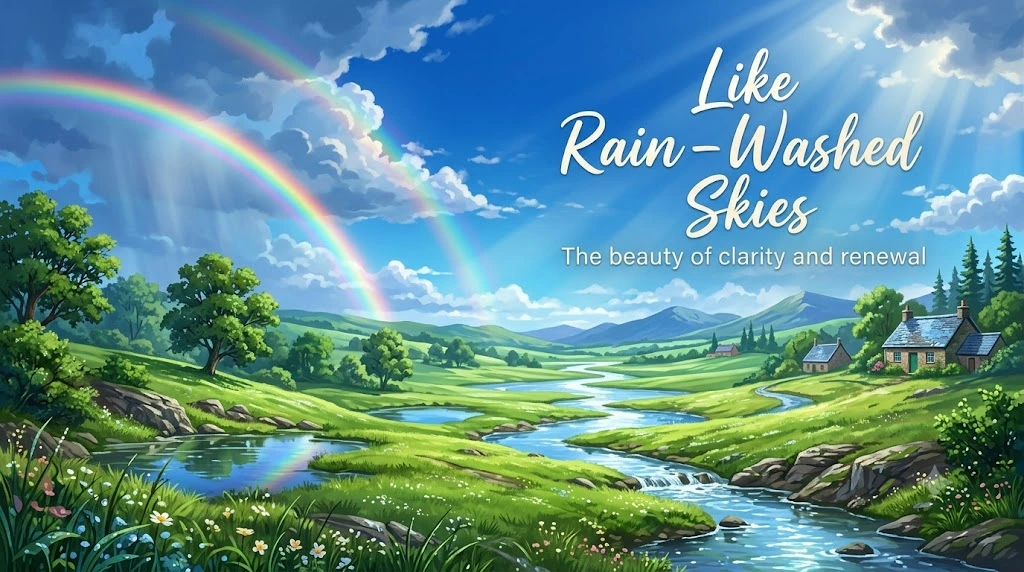
Like Rain-Washed Skies
Meaning
This simile suggests freshness, honesty, and emotional clarity.
Usage Insight
Ideal for heartfelt or emotional scenes.
Examples
- His blue eyes were like rain-washed skies, fresh and sincere.
- She trusted those eyes like skies after gentle rain.
Like a Blue Butterfly’s Wings
Meaning
This comparison emphasizes delicate beauty and uniqueness.
Usage Insight
Suitable for poetic or artistic descriptions.
Examples
- Her eyes shimmered like a blue butterfly’s wings.
- The portrait captured eyes like delicate butterfly wings.
Like Moonlight on Water
Meaning
This simile conveys elegance, romance, and quiet mystery.
Usage Insight
Excellent for romantic novels and lyrical writing.
Examples
- Her eyes glowed like moonlight on water.
- His gaze reflected like silver moonlight dancing across the sea.
Like the Horizon After the Storm
Meaning
This comparison symbolizes hope, resilience, and emotional healing.
Usage Insight
Use it when describing someone who has overcome hardship yet remains gentle.
Examples
- Her blue eyes were like the horizon after the storm, full of hope.
- He looked at her eyes like peaceful skies returning after heavy rain.
How to Use Similes Effectively in Writing
Strong similes make your writing memorable without overwhelming the reader. Keep these tips in mind:
- Choose comparisons that match the mood of your story or poem.
- Use nature similes to create vivid and relatable imagery.
- Avoid clichés by creating fresh and original comparisons.
- Make sure the simile fits the character or setting naturally.
- Use similes sparingly so each one has greater impact.
- In essays, use similes carefully to clarify ideas without reducing formality.
- In poems and songs, combine similes with sensory details for stronger emotional effects.
- Read your sentences aloud to ensure the comparison sounds smooth and natural.
FAQs
What are the best similes for blue eyes?
Some of the most effective similes include like the deep ocean, like the clear summer sky, like sparkling sapphire gems, like moonlight on water, and like a mountain lake because they create vivid visual imagery.
What is the difference between a simile and a metaphor?
A simile compares two things using like or as, while a metaphor states that one thing is another without using comparison words.
Simile: Her eyes were like the ocean.
Metaphor: Her eyes were the ocean.
Why are similes useful in creative writing?
Similes help readers imagine scenes more clearly, strengthen emotions, improve descriptions, and make characters more memorable.
Can I use similes in academic writing?
Yes, but they should be used carefully. In academic writing, similes are most effective when explaining complex ideas or making concepts easier to understand.
How can I create original similes for blue eyes?
Look for qualities such as color, brightness, depth, movement, emotion, or texture, then compare those qualities to familiar objects in nature, art, or everyday life.
Conclusion
Using thoughtful similes for blue eyes transforms ordinary descriptions into vivid, memorable images that capture a reader’s imagination. Whether you compare blue eyes to the clear summer sky, the deep ocean, sparkling sapphires, or moonlight on water, each simile adds emotion, personality, and visual richness to your writing. By understanding how similes work and choosing comparisons that fit your characters and themes, you can make poems more lyrical, stories more engaging, essays more expressive, and creative descriptions more powerful. Practice experimenting with fresh imagery, draw inspiration from nature, and remember that the best similes are those that help readers not only see your words but also feel them.