
Beauty is one of the easiest qualities to admire but one of the hardest to describe with ordinary words. That’s where similes for beauty become incredibly useful. Similes compare one thing to another using the words “like” or “as,” helping readers create vivid mental images. They play an important role in figurative language because they make writing more colorful, emotional, and memorable. From poetry to novels and everyday conversations, similes help express feelings that plain descriptions often cannot.
Nature provides endless inspiration for creative comparisons, making nature similes especially powerful in writing. Trees, in particular, symbolize strength, growth, resilience, wisdom, and human emotion, reminding us that beauty is often found in endurance as much as appearance. Whether you’re writing a poem, story, essay, or speech, these original similes will help you describe beauty with confidence and creativity.
What Is a Simile?
A simile is a figure of speech that compares two different things using the words “like” or “as.” Similes make descriptions more vivid by helping readers picture an idea through a familiar comparison.
Example:
Her smile was as bright as the morning sun.
This comparison instantly creates a cheerful image that is far more engaging than simply saying, “She had a bright smile.”
As Beautiful as a Sunrise
Meaning
This simile compares someone’s beauty to the breathtaking colors and warmth of a sunrise.
When to Use It
Use it when describing fresh, natural, uplifting beauty in poems, romantic writing, or descriptive storytelling.
Examples
- Her face was as beautiful as a sunrise, filling the room with warmth.
- The bride looked as beautiful as a sunrise on her wedding morning.
Like a Rose in Full Bloom
Meaning
This simile highlights elegance, freshness, and graceful beauty.
When to Use It
Perfect for describing someone who appears radiant, confident, and full of life.
Examples
- She stood like a rose in full bloom, admired by everyone around her.
- The garden looked like a rose in full bloom after the spring rain.
As Beautiful as the Moonlit Sky
Meaning
This comparison emphasizes calm, mysterious, and timeless beauty.
When to Use It
Works well in romantic stories, literature, and emotional descriptions.
Examples
- Her eyes were as beautiful as the moonlit sky.
- The quiet lake appeared as beautiful as the moonlit sky beneath the stars.
Like a Crystal-Clear Lake
Meaning
This simile represents pure, peaceful, and natural beauty.
When to Use It
Ideal for describing gentle personalities, landscapes, or elegant appearances.
Examples
- Her expression was like a crystal-clear lake, calm and inviting.
- The valley looked like a crystal-clear lake under the morning light.
As Lovely as Spring Blossoms
Meaning
This simile suggests youthful, colorful, and refreshing beauty.
When to Use It
Excellent for describing people, flowers, or joyful settings.
Examples
- The children looked as lovely as spring blossoms during the festival.
- Her laughter felt as lovely as spring blossoms in April.
Like a Shining Star
Meaning
This comparison suggests beauty that naturally attracts attention.
When to Use It
Perfect for highlighting confidence, charm, or exceptional appearance.
Examples
- She walked into the room like a shining star.
- His performance sparkled like a shining star on stage.
As Beautiful as Fresh Snow

Meaning
This simile represents purity, simplicity, and quiet elegance.
When to Use It
Useful when describing peaceful scenes or graceful individuals.
Examples
- Her dress looked as beautiful as fresh snow.
- The countryside appeared as beautiful as fresh snow at dawn.
Like a Butterfly Dancing in the Breeze
Meaning
This simile expresses delicate, graceful beauty.
When to Use It
Ideal for movement, dance, or carefree personalities.
Examples
- She moved like a butterfly dancing in the breeze.
- The young ballerina floated like a butterfly dancing in the breeze.
As Radiant as Golden Sunlight
Meaning
This comparison emphasizes warmth, happiness, and glowing beauty.
When to Use It
Works well for cheerful characters and uplifting scenes.
Examples
- Her smile was as radiant as golden sunlight.
- The autumn field looked as radiant as golden sunlight.
Like a Pearl Hidden in the Ocean
Meaning
This simile describes rare and precious beauty.
When to Use It
Use it for unique individuals or hidden treasures.
Examples
- Her kindness was like a pearl hidden in the ocean.
- The ancient village remained like a pearl hidden in the ocean.
As Beautiful as a Rainbow After Rain
Meaning
This simile symbolizes hope, renewal, and colorful beauty.
When to Use It
Excellent for emotional writing and inspiring stories.
Examples
- Her recovery was as beautiful as a rainbow after rain.
- The landscape became as beautiful as a rainbow after rain.
Like a Gentle Breeze Through Trees
Meaning
This comparison reflects soft, comforting beauty.
When to Use It
Perfect for describing peaceful emotions and calming personalities.
Examples
- Her voice flowed like a gentle breeze through trees.
- The melody drifted like a gentle breeze through trees.
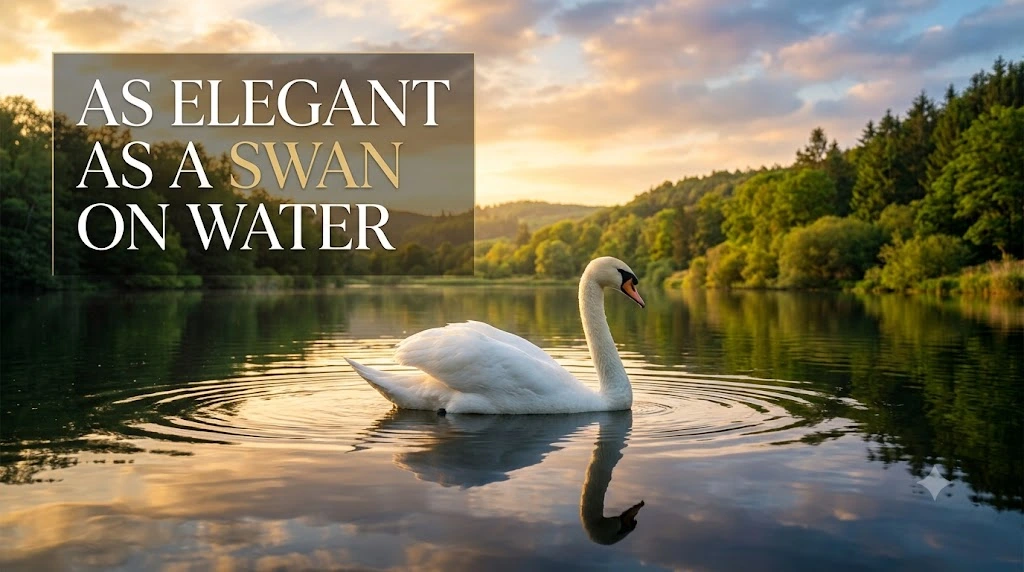
As Elegant as a Swan on Water
Meaning
This simile focuses on graceful movement and refined beauty.
When to Use It
Best suited for elegant people, dancers, or graceful actions.
Examples
- She glided as elegant as a swan on water.
- The figure skater moved as elegant as a swan on water.
Like Sunlight Through Autumn Leaves
Meaning
This simile highlights warm, rich, and natural beauty.
When to Use It
Ideal for seasonal descriptions and reflective writing.
Examples
- Her smile spread like sunlight through autumn leaves.
- The old library glowed like sunlight through autumn leaves.
As Beautiful as a Blooming Cherry Tree
Meaning
This simile symbolizes delicate beauty, renewal, and fleeting perfection.
When to Use It
Excellent for poetry, romance, and nature-inspired descriptions.
Examples
- She looked as beautiful as a blooming cherry tree.
- The village became as beautiful as a blooming cherry tree each spring.
How to Use Similes Effectively in Writing
Strong similes for beauty make writing more engaging by creating memorable images and emotional connections. Here are a few practical tips:
- Choose comparisons that match the mood of your writing.
- Draw inspiration from nature, seasons, flowers, rivers, trees, and the sky.
- Keep similes fresh instead of relying only on common expressions.
- Use similes sparingly so they remain powerful.
- Match your similes to the personality of your characters.
- Blend similes naturally into poems, stories, essays, speeches, and songs.
- Read your sentences aloud to ensure they sound smooth and natural.
- Combine similes with sensory details for richer descriptions.
- Study similes in literature to understand how professional writers create vivid imagery.
- Practice creating your own figurative language examples using everyday observations and creative comparisons.
FAQs
What are the best similes for beauty?
Some of the most effective similes for beauty include as beautiful as a sunrise, like a rose in full bloom, as radiant as golden sunlight, and as elegant as a swan on water. These comparisons create vivid and memorable images.
What is the difference between a simile and a metaphor?
A simile compares two things using “like” or “as,” while a metaphor states that one thing is another without using those words.
Simile: Her smile was like sunshine.
Metaphor: Her smile was sunshine.
Why are similes useful in creative writing?
Similes make writing more descriptive, emotional, and engaging. They help readers visualize scenes and connect more deeply with characters and ideas.
Can similes be used in academic writing?
Yes. While academic writing should avoid excessive figurative language, carefully chosen similes can clarify complex ideas, especially in presentations, educational materials, and explanatory essays.
How can I create original similes for beauty?
Observe nature, emotions, and everyday life. Think about qualities such as brightness, grace, softness, or strength, then compare them using like or as to create fresh and meaningful expressions.
Conclusion
Using similes for beauty is one of the most effective ways to transform ordinary descriptions into memorable imagery. Whether inspired by a sunrise, a blooming flower, a peaceful lake, or the enduring strength of trees, these comparisons add richness and emotion to your writing. They help readers see, feel, and experience beauty rather than simply read about it. By practicing original similes and learning from similes in literature, you’ll strengthen your creative voice and write with greater confidence. Whether you’re crafting poems, stories, essays, or speeches, thoughtful similes bring clarity, imagination, and emotional depth to every sentence. Keep exploring new comparisons, and let your words paint beautiful pictures that stay with readers long after they finish reading.