
Anger is one of the strongest emotions people experience, and similes help us describe it in vivid and memorable ways. A simile compares two different things using the words “like” or “as” to create a clear mental picture. Writers use similes because they make emotions easier to understand and more engaging for readers. They are an essential part of figurative language and appear in stories, poems, speeches, and everyday conversations. Nature often inspires the best similes because it provides powerful images that everyone can recognize.
Trees, in particular, are powerful symbols of strength, growth, resilience, wisdom, and human emotion, making them excellent sources of creative comparisons. Whether you’re writing fiction, essays, or personal journals, learning powerful similes for angry can make your descriptions more expressive and impactful. In this guide, you’ll discover original similes, practical examples, and useful writing tips to strengthen your vocabulary and creative skills.
What Is a Simile?
A simile is a figure of speech that compares two different things using the words “like” or “as.” It helps readers understand an idea or emotion by connecting it to something familiar.
Example:
He was as angry as a volcano ready to erupt.
This comparison instantly creates a vivid image of intense anger without simply saying the person was very angry.
15 Powerful Similes for Angry
1. As Angry as a Volcano Ready to Erupt
Meaning
Describes someone whose anger has built up and is about to explode.
Best Usage
Perfect for stories, novels, and dramatic scenes where tension is increasing.
Examples
- She stood silently, as angry as a volcano ready to erupt, waiting for someone to speak.
- His face became as angry as a volcano ready to erupt after hearing the unfair accusation.
2. Like a Storm Tearing Through the Forest
Meaning
Shows anger that is wild, powerful, and impossible to control.
Best Usage
Works well in descriptive writing and emotional storytelling.
Examples
- His temper swept through the room like a storm tearing through the forest.
- She argued like a storm tearing through the forest, leaving everyone speechless.
3. As Furious as a Lightning Strike
Meaning
Represents sudden, explosive anger.
Best Usage
Excellent for fast-paced action scenes and dramatic dialogue.
Examples
- His reply came as furious as a lightning strike.
- She turned as furious as a lightning strike when she discovered the truth.
4. Like a Wildfire Racing Across Dry Grass
Meaning
Describes anger that spreads quickly and becomes difficult to stop.
Best Usage
Ideal for emotional conflicts and intense conversations.
Examples
- The argument grew like a wildfire racing across dry grass.
- His frustration spread like a wildfire racing across dry grass after the mistake.
5. As Angry as a Cornered Bear
Meaning
Suggests defensive, dangerous anger.
Best Usage
Useful when describing someone who feels threatened.
Examples
- He became as angry as a cornered bear when questioned unfairly.
- She looked as angry as a cornered bear, ready to defend herself.
6. Like Thunder Shaking the Mountains
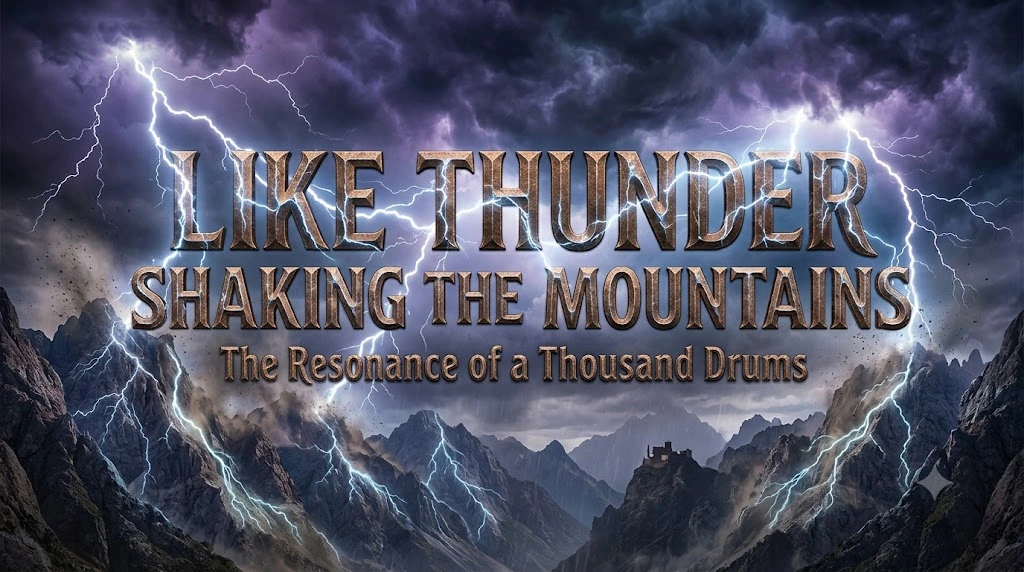
Meaning
Represents loud, overwhelming anger.
Best Usage
Perfect for speeches, dramatic scenes, and emotional writing.
Examples
- His voice rolled like thunder shaking the mountains.
- She shouted like thunder shaking the mountains, silencing everyone.
7. As Hot as Molten Lava
Meaning
Shows intense emotional heat and rage.
Best Usage
Great for descriptive fiction and expressive essays.
Examples
- His anger burned as hot as molten lava.
- She answered as hot as molten lava, unable to hide her emotions.
8. Like an Ocean During a Hurricane
Meaning
Describes emotional chaos and uncontrollable anger.
Best Usage
Works beautifully in literary and creative writing.
Examples
- His emotions churned like an ocean during a hurricane.
- She felt like an ocean during a hurricane, unable to calm herself.
9. As Fierce as a Lion Protecting Its Pride
Meaning
Shows protective anger fueled by love or loyalty.
Best Usage
Excellent for heroic characters and family-centered stories.
Examples
- She became as fierce as a lion protecting its pride when her children were insulted.
- He stood as fierce as a lion protecting its pride before his friends.
10. Like a Boiling Kettle Ready to Whistle
Meaning
Describes anger building gradually until it bursts out.
Best Usage
Perfect for everyday conversations and relatable descriptions.
Examples
- He sat quietly like a boiling kettle ready to whistle.
- She remained calm on the outside but felt like a boiling kettle ready to whistle.
11. As Sharp as a Thorn Bush
Meaning
Suggests angry words that hurt others.
Best Usage
Ideal for dialogue and character development.
Examples
- His comments became as sharp as a thorn bush.
- She replied as sharp as a thorn bush, leaving no room for argument.
12. Like a Tornado Sweeping Across the Plains
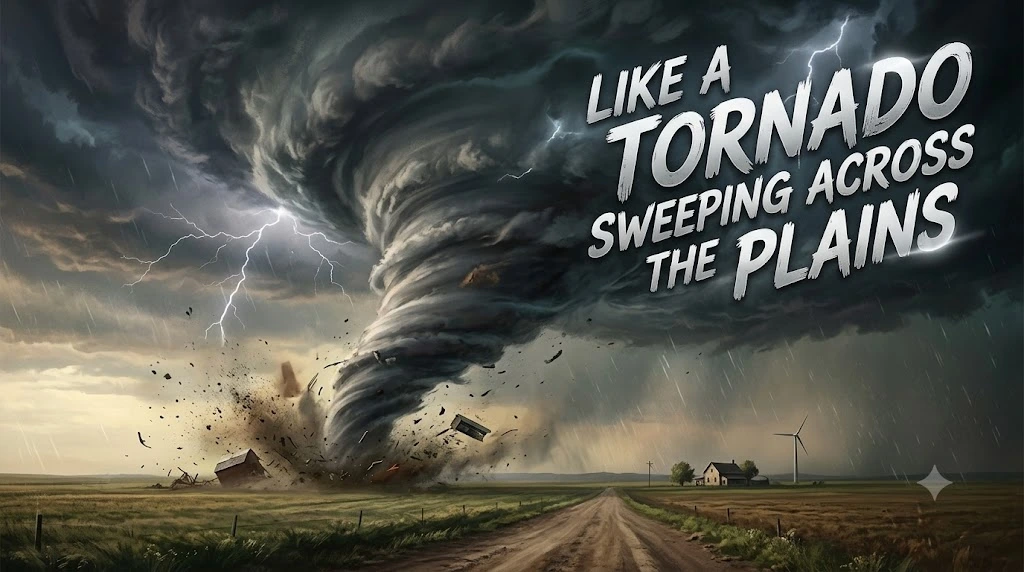
Meaning
Represents destructive and uncontrollable anger.
Best Usage
Excellent for vivid storytelling.
Examples
- His rage moved like a tornado sweeping across the plains.
- The argument spread like a tornado sweeping across the plains.
13. As Restless as Wind Before a Storm
Meaning
Shows quiet anger building beneath the surface.
Best Usage
Perfect for suspense and emotional tension.
Examples
- He paced as restless as wind before a storm.
- She waited as restless as wind before a storm, trying not to lose control.
14. Like Flames Climbing a Dry Tree
Meaning
Describes anger growing rapidly.
Best Usage
Ideal for emotional scenes and symbolic writing.
Examples
- His temper climbed like flames climbing a dry tree.
- Their disagreement spread like flames climbing a dry tree.
15. As Unyielding as an Ancient Oak in the Wind
Meaning
Represents stubborn anger and refusal to give in.
Best Usage
Useful when describing determined characters.
Examples
- He stood as unyielding as an ancient oak in the wind, refusing to apologize.
- She remained as unyielding as an ancient oak in the wind, despite everyone’s advice.
How to Use Similes Effectively in Writing
Using similes thoughtfully can make your writing more vivid and emotionally engaging. Here are a few practical tips:
- Choose comparisons that your readers can easily picture.
- Match the simile to the mood of your story or poem.
- Avoid overusing similes in every sentence to keep your writing natural.
- Draw inspiration from nature, weather, animals, and everyday experiences.
- Use similes to reveal a character’s emotions instead of simply stating them.
- Read examples of similes in literature to learn how skilled authors create memorable imagery.
- Combine nature similes with sensory details to make scenes more immersive.
- Revise your comparisons so they feel fresh rather than overused.
Whether you’re writing poems, stories, essays, songs, or creative descriptions, carefully chosen similes help readers connect with your ideas on a deeper emotional level.
FAQs
What are some powerful similes for angry?
Some effective examples include as angry as a volcano ready to erupt, like a wildfire racing across dry grass, as furious as a lightning strike, like thunder shaking the mountains, and as fierce as a lion protecting its pride.
What is the difference between a simile and a metaphor?
A simile compares two things using like or as, while a metaphor makes a direct comparison without those words.
Why are similes useful in creative writing?
Similes create vivid imagery, strengthen emotional impact, improve descriptions, and help readers visualize characters, settings, and feelings more clearly.
Can similes be used in academic writing?
Yes. While academic writing should remain formal, similes can be used carefully in presentations, speeches, reflective essays, and educational examples to explain complex ideas more clearly.
How can I create original similes?
Think about the emotion or object you want to describe, then compare it to something from nature, everyday life, or personal experience that shares similar qualities. Fresh and meaningful comparisons are often the most memorable.
Conclusion
Learning powerful similes for angry gives you a richer vocabulary for expressing one of the strongest human emotions. Instead of simply saying someone was angry, you can paint memorable pictures with creative comparisons that readers instantly understand. From raging volcanoes and fierce lions to roaring storms and ancient trees, these similes bring energy, clarity, and emotional depth to your writing. They also strengthen your understanding of figurative language examples, improve descriptive skills, and make stories, poems, essays, and conversations more engaging. As you continue exploring similes, nature similes, similes in literature, and imaginative comparisons, you’ll develop a writing style that is both expressive and unforgettable. The best similes don’t just describe anger—they allow readers to feel its power through vivid imagery and meaningful language.