
Imagine walking through a quiet garden just after sunrise, when every flower seemed to be telling its own little story. A rose stood proudly beside the path, soft and elegant like a secret waiting to be discovered, while tiny daisies danced in the morning breeze like children enjoying their first day of summer. As you moved closer, the colors, scents, and delicate shapes made the ordinary garden feel almost magical. That moment shows why flowers are such powerful subjects for figurative language.
When we use similes for flowers, we can turn simple descriptions into vivid pictures that readers can almost see, smell, and feel. A flower can be compared to a smile, a star, a butterfly, a jewel, or even a gentle person to express beauty, freshness, fragility, or hope. These comparisons make writing more emotional and memorable while giving familiar flowers a deeper meaning. Whether you are writing a poem, story, essay, greeting, or creative description, the right simile can make your words bloom just like a flower in spring.
What Is a Simile?
A simile is a figure of speech that compares two different things using the words “like” or “as.” Similes make descriptions more colorful, relatable, and memorable by connecting unfamiliar ideas with familiar images.
Example:
“Her smile was as bright as a sunflower in the morning sun.”
This comparison helps readers instantly picture warmth, happiness, and brightness.
1. As Delicate as a Flower Petal
Meaning
This simile describes someone or something that is extremely gentle, soft, or fragile.
When to Use It
Use this simile when describing tenderness, beauty, kindness, or anything requiring careful handling.
Examples
- The newborn’s tiny fingers were as delicate as a flower petal.
- Her gentle voice sounded as delicate as a flower petal floating in the breeze.
2. Like a Rose in Full Bloom
Meaning
Represents someone or something at the peak of beauty, confidence, or success.
When to Use It
Perfect for describing personal growth, elegance, or someone flourishing in life.
Examples
- After years of practice, she stood on stage like a rose in full bloom.
- The garden looked like a rose in full bloom after the spring rain.
3. As Bright as a Field of Sunflowers
Meaning
Describes cheerfulness, warmth, and positive energy.
When to Use It
Ideal for writing about joyful personalities or uplifting places.
Examples
- His smile was as bright as a field of sunflowers.
- The classroom felt as bright as a field of sunflowers after the children arrived.
4. Like a Daisy Dancing in the Wind
Meaning
Suggests grace, innocence, and carefree happiness.
When to Use It
Excellent for describing children, dancers, or peaceful outdoor scenes.
Examples
- She skipped across the meadow like a daisy dancing in the wind.
- The little girl laughed like a daisy dancing in the wind.
5. As Colorful as a Spring Garden
Meaning
Describes richness, variety, and vibrant beauty.
When to Use It
Works well for describing festivals, personalities, clothing, or artistic creations.
Examples
- Her paintings were as colorful as a spring garden.
- The marketplace looked as colorful as a spring garden.
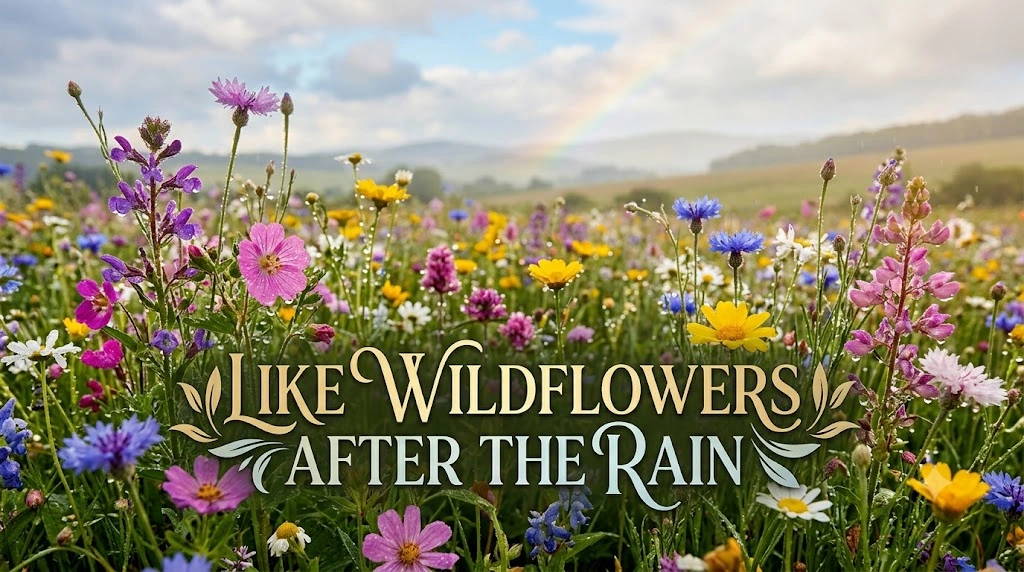
6. Like Wildflowers After the Rain
Meaning
Represents hope, renewal, and unexpected beauty.
When to Use It
Use it when describing recovery, fresh opportunities, or positive change.
Examples
- New ideas appeared like wildflowers after the rain.
- Their friendship grew like wildflowers after the rain.
7. As Sweet as Blossoms in Spring
Meaning
Describes someone who is kind, loving, and pleasant.
When to Use It
Ideal for compliments or descriptions of caring people.
Examples
- Her words were as sweet as blossoms in spring.
- The grandmother welcomed everyone as sweet as blossoms in spring.
8. Like a Lily Floating on Calm Water
Meaning
Suggests peace, elegance, and emotional balance.
When to Use It
Perfect for calm settings or graceful individuals.
Examples
- She remained like a lily floating on calm water during the difficult meeting.
- The bride walked like a lily floating on calm water.
9. As Fresh as Morning Blossoms
Meaning
Represents freshness, youth, and new beginnings.
When to Use It
Useful when describing mornings, ideas, or energetic people.
Examples
- The air felt as fresh as morning blossoms.
- His creative ideas were as fresh as morning blossoms.
10. Like Cherry Blossoms in the Breeze
Meaning
Describes beauty that is gentle, graceful, and sometimes short-lived.
When to Use It
Works beautifully in poetry and reflective writing.
Examples
- Her laughter drifted like cherry blossoms in the breeze.
- Happy memories floated through his mind like cherry blossoms in the breeze.
11. As Fragrant as a Blooming Jasmine
Meaning
Represents pleasantness, attraction, and charm.
When to Use It
Ideal for sensory descriptions involving scents or welcoming places.
Examples
- The garden was as fragrant as a blooming jasmine.
- Her homemade tea smelled as fragrant as a blooming jasmine.
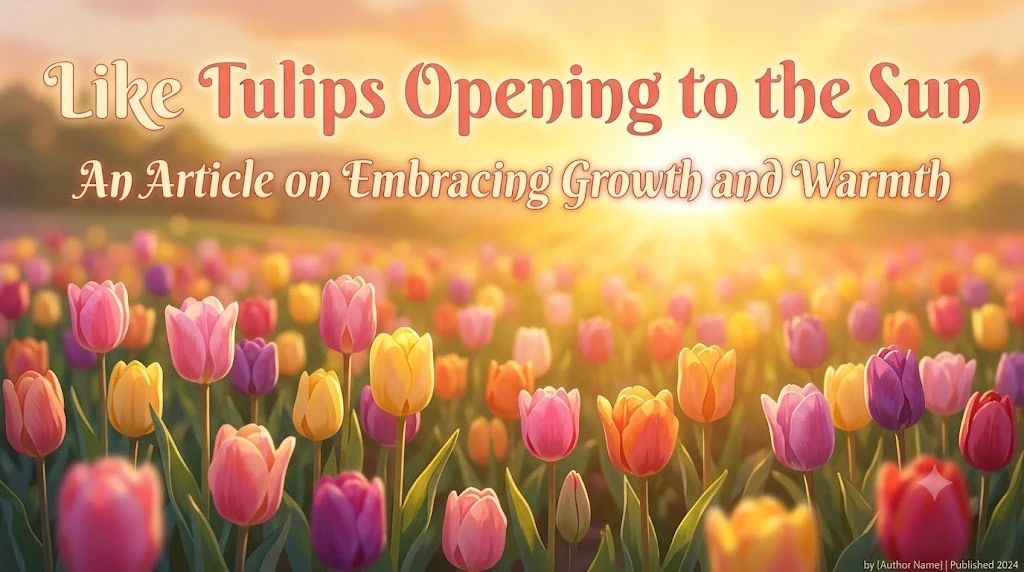
12. Like Tulips Opening to the Sun
Meaning
Shows growth, optimism, and readiness to embrace new opportunities.
When to Use It
Great for describing learning, healing, or personal development.
Examples
- The students responded like tulips opening to the sun.
- Confidence returned like tulips opening to the sun.
13. As Gentle as Falling Flower Petals
Meaning
Describes soft movement or calm behavior.
When to Use It
Perfect for peaceful scenes or compassionate actions.
Examples
- Snow landed as gentle as falling flower petals.
- She comforted her friend as gentle as falling flower petals.
14. Like a Bouquet Full of Joy
Meaning
Represents happiness, celebration, and positivity.
When to Use It
Useful for describing special occasions or cheerful personalities.
Examples
- The surprise party felt like a bouquet full of joy.
- Her laughter spread like a bouquet full of joy throughout the room.
15. As Timeless as a Blooming Rose
Meaning
Describes beauty or value that never fades.
When to Use It
Ideal for writing about lasting memories, love, or classic works of art.
Examples
- Their friendship remained as timeless as a blooming rose.
- The old poem feels as timeless as a blooming rose even today.
How to Use Similes Effectively in Writing
Using beautiful similes for flowers can instantly improve your writing by making descriptions more vivid and memorable. Here are some practical tips:
- Use similes naturally instead of forcing them into every sentence.
- Match the mood of your writing. Soft flower similes work well in romantic, emotional, or peaceful scenes.
- Choose specific flowers because each symbolizes different emotions. Roses suggest love, lilies symbolize purity, while sunflowers represent happiness.
- Avoid clichés by creating fresh and original comparisons.
- Balance figurative language with clear writing so readers stay engaged.
- Use flower similes in poems to create imagery and rhythm.
- Include them in stories to deepen character descriptions and settings.
- Apply them in essays when appropriate to make examples more engaging.
- Add them to songs to create memorable lyrics filled with emotion.
- Use them in creative descriptions to help readers visualize scenes more clearly.
FAQs
What are beautiful similes for flowers?
Beautiful similes for flowers are creative comparisons that describe flowers or flower-like qualities using the words “like” or “as.” They help make writing more vivid and emotionally engaging.
Example:
“Her smile was as bright as a sunflower.”
What is the difference between a simile and a metaphor?
A simile compares two things using like or as.
Example: The flower was like a tiny star.
A metaphor makes a direct comparison without using like or as.
Example: The flower was a tiny star.
Why are flower similes popular in literature?
Flowers symbolize love, beauty, hope, growth, renewal, and the passage of time. Because of these meanings, writers often use flower similes to create emotional and memorable imagery.
Can I use flower similes in academic writing?
Yes, but use them carefully. Similes are most appropriate in creative essays, speeches, presentations, and literary analysis. In formal academic papers, they should only be used when they improve clarity or support a specific point.
How do flower similes improve creative writing?
They make descriptions more vivid, help readers visualize scenes, strengthen emotional connections, and make poems, stories, and personal writing more engaging.
Conclusion
Flowers have always given people a beautiful way to express feelings, memories, and ideas that ordinary words sometimes cannot capture. Throughout this article, we have seen how similes for flowers can transform simple descriptions into colorful and emotional images. Comparing a flower to a jewel can highlight its beauty, while comparing it to a gentle smile can express warmth and happiness. A flower may also be described as soft as silk, bright as a star, or graceful as a butterfly, depending on the feeling you want to create.
These comparisons make figurative language more vivid and help readers connect with your words on a deeper level. Whether you are describing roses in a poem, wildflowers in a story, or a blooming garden in an essay, a thoughtful simile can make your writing feel alive. The most effective similes are natural, meaningful, and connected to the emotion or image you want your reader to remember. So, whenever you write about flowers, let your imagination guide you and choose comparisons that allow your words to bloom beautifully.