
Have you ever met someone whose kindness made an ordinary day feel special? Maybe it was a friend who stayed beside you when you were having a difficult time, a teacher who encouraged you when you wanted to give up, or a stranger who offered a helping hand without expecting anything in return. Sometimes, simply saying that someone is “nice” does not fully express how wonderful that person feels. This is where similes for nice can make your writing more colorful, emotional, and memorable.
A simile compares one thing to another using words such as “like” or “as,” helping readers picture kindness through familiar images. For example, saying “She was as gentle as a summer breeze” creates a much stronger image than simply calling her gentle. Nature can also inspire beautiful comparisons, from warm sunlight and blooming flowers to peaceful rivers and strong trees. In this article, you will discover creative similes for nice people, along with their meanings and examples, so you can describe kindness, warmth, generosity, and compassion in a fresh and engaging way.
- What Is a Simile for a Nice Person?
- What Is a Good Simile for a Nice Person?
- How Can You Describe a Nice Person With a Simile?
- What Are Some Similes for a Kind Person?
- What Is a Simile for Someone Who Is Very Kind?
- What Is a Simile for a Friendly Person?
- What Is a Simile for a Caring Person?
- What Is a Simile for a Gentle Person?
- What Is a Simile for a Helpful Person?
- What Is a Simile for a Sweet Person?
- What Is a Simile for a Good-Hearted Person?
- What Is a Simile for a Warm and Kind Person?
- What Is a Simile for a Person With a Good Heart?
- What Are Creative Similes for Nice People?
- What Are Beautiful Similes to Describe a Nice Person?
- What Are Unique Similes for a Kind and Caring Person?
- What Are Nature Similes for a Nice Person?
- What Are Easy Similes for Describing a Nice Person?
- How Do You Use a Simile for a Nice Person in Writing?
- What Are the Best Similes for a Nice Person?
What Is a Simile?
A simile is a figure of speech that compares two unlike things using the words “like” or “as.” It helps readers understand a quality or characteristic by connecting it to something familiar.
Example: She was as gentle as a spring breeze.
In this sentence, the person’s gentleness is compared to a soft spring breeze, creating a clear and pleasant image in the reader’s mind.
As Nice as Sunshine on a Cold Morning
Meaning: Extremely warm, welcoming, and comforting.
Usage Insight: This simile works well when describing someone whose presence makes others feel happy and at ease.
Examples:
- Her smile was as nice as sunshine on a cold morning.
- The teacher was as nice as sunshine on a cold morning, making every student feel valued.
As Nice as a Gentle Spring Breeze
Meaning: Calm, pleasant, and soothing.
Usage Insight: Use this simile when describing a person who has a peaceful and reassuring personality.
Examples:
- His voice was as nice as a gentle spring breeze.
- She remained as nice as a gentle spring breeze even during stressful situations.
As Nice as Freshly Bloomed Flowers
Meaning: Beautiful, cheerful, and pleasant.
Usage Insight: Ideal for describing kindness that naturally brightens the atmosphere.
Examples:
- Her compliments were as nice as freshly bloomed flowers.
- The neighbors were as nice as freshly bloomed flowers welcoming spring.
As Nice as a Warm Cup of Tea
Meaning: Comforting, friendly, and relaxing.
Usage Insight: This comparison suits people who make others feel comfortable and appreciated.
Examples:
- Talking with him was as nice as a warm cup of tea.
- Her encouraging words were as nice as a warm cup of tea after a difficult day.
As Nice as a Calm Lake at Dawn
Meaning: Peaceful, gentle, and pleasant.
Usage Insight: Use this simile when highlighting a person’s calm and thoughtful nature.
Examples:
- She was as nice as a calm lake at dawn.
- His patient attitude was as nice as a calm lake at dawn.
As Nice as a Bird’s Morning Song
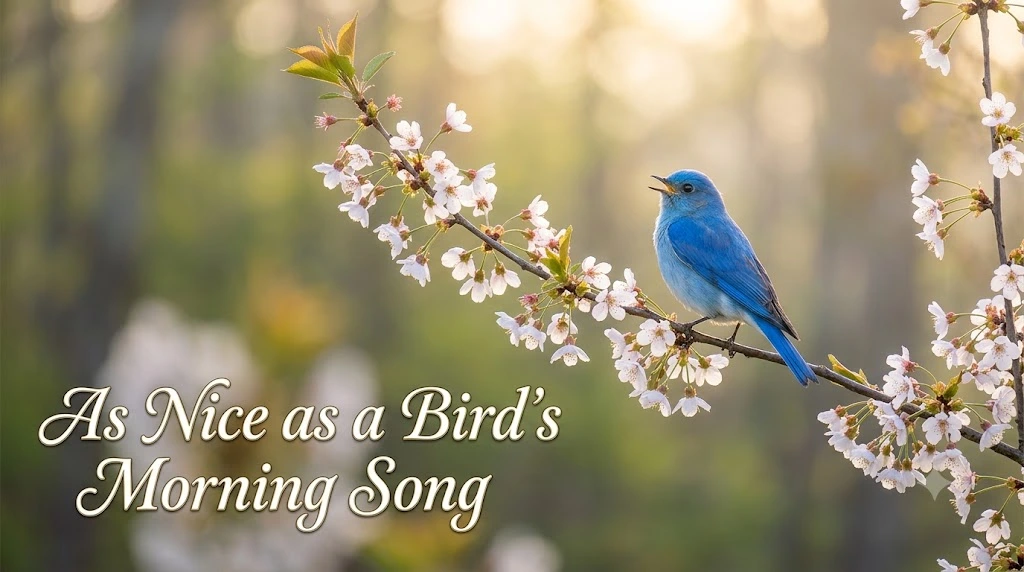
Meaning: Delightful and uplifting.
Usage Insight: Perfect for describing cheerful people who spread positivity.
Examples:
- Her greeting was as nice as a bird’s morning song.
- The host was as nice as a bird’s morning song welcoming guests.
As Nice as a Soft Blanket on a Winter Night
Meaning: Comforting and reassuring.
Usage Insight: Effective when describing emotional support and kindness.
Examples:
- His friendship was as nice as a soft blanket on a winter night.
- Her kindness felt as nice as a soft blanket on a winter night.
As Nice as a Rainbow After Rain
Meaning: Pleasant, hopeful, and uplifting.
Usage Insight: Use this simile to emphasize kindness that appears during difficult times.
Examples:
- Her help was as nice as a rainbow after rain.
- His encouraging message was as nice as a rainbow after rain.
As Nice as Fresh Bread from the Oven
Meaning: Warm, welcoming, and satisfying.
Usage Insight: This simile works particularly well when describing hospitality.
Examples:
- Their welcome was as nice as fresh bread from the oven.
- She was as nice as fresh bread from the oven, making everyone feel included.
As Nice as Moonlight on Quiet Water
Meaning: Gentle, graceful, and calming.
Usage Insight: Suitable for describing subtle acts of kindness.
Examples:
- Her manners were as nice as moonlight on quiet water.
- His thoughtful gesture was as nice as moonlight on quiet water.
As Nice as a Shady Tree on a Hot Day
Meaning: Helpful, refreshing, and comforting.
Usage Insight: Excellent for describing someone who offers support when it is needed most.
Examples:
- She was as nice as a shady tree on a hot day.
- His advice felt as nice as a shady tree on a hot day.
As Nice as a Basket Full of Apples
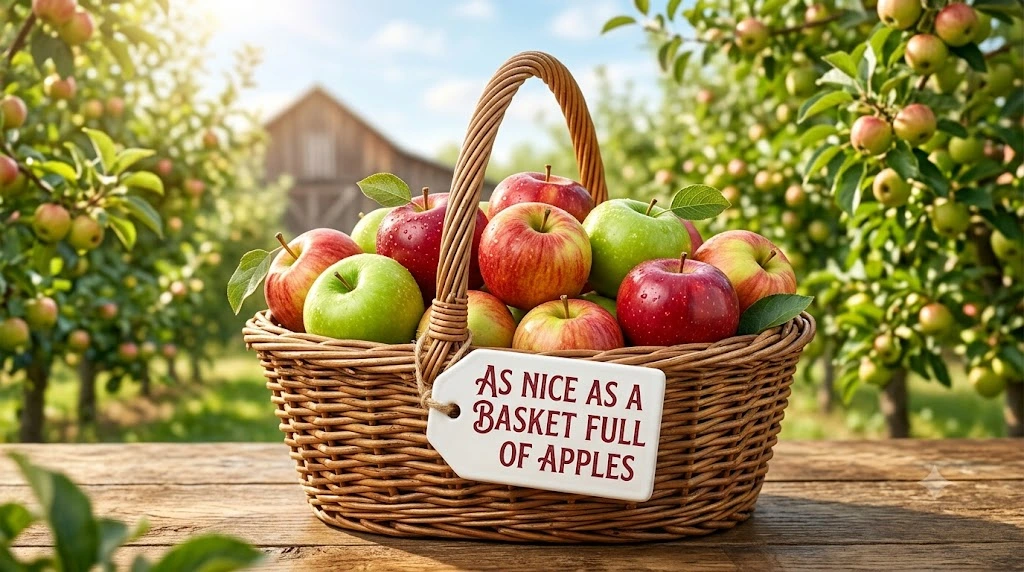
Meaning: Wholesome, generous, and pleasant.
Usage Insight: Use this simile when highlighting generosity and friendliness.
Examples:
- The family was as nice as a basket full of apples.
- Her thoughtful gifts were as nice as a basket full of apples.
As Nice as a Path Through a Flower Garden
Meaning: Pleasant, enjoyable, and inviting.
Usage Insight: This comparison works well when describing interactions that leave a positive impression.
Examples:
- Spending time with her was as nice as a path through a flower garden.
- The conversation was as nice as a path through a flower garden.
As Nice as a Candle’s Gentle Glow
Meaning: Warm, comforting, and reassuring.
Usage Insight: Ideal for describing quiet kindness and compassion.
Examples:
- Her presence was as nice as a candle’s gentle glow.
- His patience was as nice as a candle’s gentle glow in a dark room.
As Nice as a Clear Blue Sky
Meaning: Pleasant, bright, and uplifting.
Usage Insight: Use this simile when describing a naturally cheerful and positive personality.
Examples:
- She was as nice as a clear blue sky.
- His positive attitude was as nice as a clear blue sky after a storm.
How to Use Similes Effectively in Writing
Similes can make writing more engaging when used thoughtfully. Here are some practical tips:
- Choose familiar comparisons so readers can instantly understand the image.
- Match the tone of your writing by selecting similes that fit the mood.
- Avoid overusing similes because too many comparisons can distract readers.
- Use nature similes to create vivid imagery and emotional depth.
- Include similes in poems and songs to make language more memorable.
- Strengthen stories by using similes to reveal character traits and emotions.
- Enhance essays by using figurative language sparingly to clarify ideas.
- Create original comparisons that feel fresh and meaningful.
FAQs About Similes for Nice
What are similes for nice?
Similes for nice are comparisons that describe kindness, friendliness, warmth, or pleasant behavior using the words “like” or “as.”
What is an example of a simile for nice?
A good example is: “She was as nice as sunshine on a cold morning.”
What is the difference between a simile and a metaphor?
A simile uses words such as “like” or “as” to make a comparison, while a metaphor states that one thing is another without using those words.
Can similes be used in academic writing?
Yes, but they should be used carefully. Similes can clarify ideas and improve readability when appropriate.
Why are similes important in creative writing?
Similes help create vivid imagery, strengthen emotional impact, and make descriptions more memorable for readers.
Conclusion
Kindness is one of those qualities that can be difficult to describe with ordinary words, but similes for nice can help turn simple feelings into vivid and memorable images. A kind person can be compared to warm sunlight, a gentle breeze, a blooming flower, or a strong tree that offers shade and comfort to others. These comparisons allow readers to understand not only what a nice person is like but also how that person’s kindness makes others feel. Throughout this guide, we have explored different ways to use similes to describe generosity, friendliness, patience, compassion, and a caring heart.
The best similes do more than decorate your writing; they create pictures in the reader’s mind and add emotional depth to your words. Whether you are writing a poem, story, school assignment, speech, or personal message, choosing the right comparison can make your description much more powerful. So, whenever the word “nice” feels too simple, reach for a creative simile and let your words show just how special a person’s kindness truly is.
Discover More Posts
- 250+ Powerful Similes for Dragons
- 250+ What Is a Simile for Kids
- 250+ Powerful Similes for Unfortunate Situations