
Strength is a quality we often recognize before we can explain it. A person may be strong like a tree standing firmly through a storm, or their courage may shine like sunlight breaking through dark clouds. Similes to describe strength help writers turn an abstract quality into something readers can see, feel, and remember. A simile is an important type of figurative language because it creates vivid comparisons using words such as “like” or “as.” Trees are powerful symbols of strength, growth, resilience, wisdom, and human emotion because they remain rooted while facing wind, rain, heat, and changing seasons.
Their deep roots and strong trunks can represent the inner strength people develop through challenges and difficult experiences. In literature and everyday writing, nature similes can make descriptions more emotional, memorable, and meaningful. Whether you are writing a poem, story, essay, song, or personal reflection, the right comparison can make strength feel real rather than simply stating that someone is strong.
What Is a Simile?
A simile is a figure of speech that compares two different things using words such as “like” or “as.” Writers use similes to make an idea, emotion, person, object, or experience easier to imagine.
Example: “Her determination was as strong as an old oak tree.”
This comparison connects determination with the strength and stability of an oak tree. Instead of simply saying that someone is determined, the simile gives readers a clear mental picture of unwavering strength.
1. As Strong as an Oak Tree
Simile: As strong as an oak tree.
Meaning: This simile describes someone or something that is powerful, stable, dependable, and difficult to break.
Usage Insight: This is one of the most effective nature similes for describing physical or emotional strength. It works especially well when you want to suggest stability, endurance, and long-lasting power.
Examples:
- After years of hardship, her spirit remained as strong as an oak tree.
- He stood as strong as an oak tree while everyone around him struggled.
2. Strong Like a Mountain
Simile: Strong like a mountain.
Meaning: This comparison suggests enormous strength, stability, and an ability to withstand pressure.
Usage Insight: Use this simile when describing someone who remains calm and powerful despite difficult circumstances. Mountains also bring a sense of permanence, making this comparison especially useful in inspirational writing.
Examples:
- His courage was strong like a mountain beneath a restless sky.
- She remained strong like a mountain when life tested her patience.
3. As Steady as a Rock
Simile: As steady as a rock.
Meaning: This simile describes someone who is dependable, emotionally strong, and unlikely to be shaken by problems.
Usage Insight: It is particularly useful for describing emotional strength and reliability. It can also work well when writing about a friend, parent, leader, or mentor who provides support during difficult moments.
Examples:
- When everyone panicked, Daniel was as steady as a rock.
- Her voice remained as steady as a rock despite the pressure.
4. Strong Like a Tree Rooted in the Earth
Simile: Strong like a tree rooted deep in the earth.
Meaning: This comparison represents inner strength, stability, and a strong foundation.
Usage Insight: This is an excellent choice for reflective writing because it connects physical strength with emotional resilience. It works beautifully in poems, personal essays, and inspirational descriptions.
Examples:
- His values were strong like a tree rooted deep in the earth.
- She faced every challenge strong like a tree holding firmly to the soil.
5. As Tough as Iron
Simile: As tough as iron.
Meaning: This simile suggests that someone is extremely resilient and capable of enduring pressure, hardship, or pain.
Usage Insight: Use it when you want a direct and powerful image of toughness. It is especially effective when describing determination, discipline, or a person who refuses to give up.
Examples:
- Years of hard work made her as tough as iron.
- His determination was as tough as iron when the competition became difficult.
6. Strong Like a River Against the Rocks
Simile: Strong like a river pushing against rocks.
Meaning: This simile represents persistent strength—the ability to keep moving forward despite obstacles.
Usage Insight: This comparison is ideal when strength comes from persistence rather than physical power. It reminds readers that even gentle forces can become powerful through continuous effort.
Examples:
- Her ambition was strong like a river pushing against rocks.
- He kept moving forward, strong like a river refusing to stop.
7. As Powerful as Thunder
Simile: As powerful as thunder.
Meaning: This comparison suggests dramatic, intense, and commanding strength.
Usage Insight: Use this simile when you want strength to feel loud, energetic, or overwhelming. It works particularly well in fiction, poetry, speeches, and creative descriptions.
Examples:
- His voice was as powerful as thunder across the valley.
- The athlete’s final effort was as powerful as thunder after a long silence.
8. Strong Like a Storm-Battered Tree
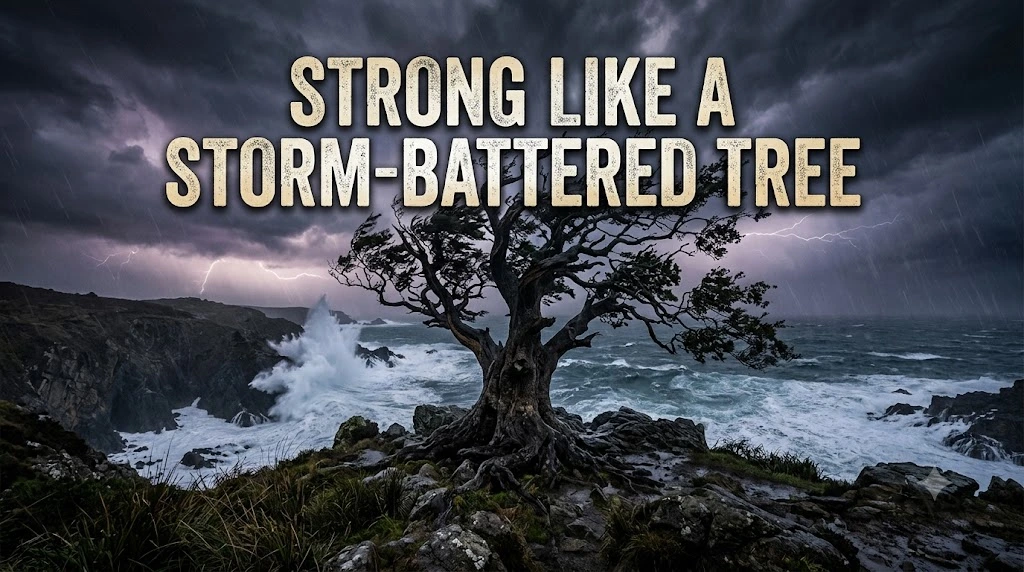
Simile: Strong like a storm-battered tree.
Meaning: This simile describes strength that has developed through hardship and survival.
Usage Insight: It is particularly meaningful when writing about resilience. The tree has experienced damage but continues to stand, making it an excellent symbol of someone who has endured difficult experiences.
Examples:
- After everything she had survived, she stood strong like a storm-battered tree.
- His spirit remained strong like a storm-battered tree reaching toward the sun.
9. As Solid as a Fortress
Simile: As solid as a fortress.
Meaning: This comparison suggests protection, security, emotional strength, and resistance against outside pressure.
Usage Insight: This simile works well for describing a person’s character, confidence, boundaries, or determination. It can also describe a strong relationship or dependable support system.
Examples:
- Her confidence was as solid as a fortress.
- His loyalty remained as solid as a fortress during the hardest years.
10. Strong Like a Lion Protecting Its Pride
Simile: Strong like a lion protecting its pride.
Meaning: This simile represents courage, protective strength, confidence, and fierce determination.
Usage Insight: Use it when strength is connected to bravery or protecting someone important. It adds an emotional and powerful quality to descriptions of parents, leaders, heroes, or defenders.
Examples:
- She became strong like a lion protecting its pride when her family needed her.
- He fought for his team strong like a lion protecting its pride.
11. As Unbreakable as a Diamond
Simile: As unbreakable as a diamond.
Meaning: This comparison suggests exceptional strength, resilience, and determination.
Usage Insight: This is useful when describing someone who refuses to surrender even after repeated difficulties. It can also describe confidence, hope, friendship, or a strong relationship.
Examples:
- Her hope remained as unbreakable as a diamond.
- Their friendship proved as unbreakable as a diamond through years of change.
12. Strong Like a Lighthouse in a Storm
Simile: Strong like a lighthouse in a storm.
Meaning: This simile represents strength that remains steady while guiding others through difficult circumstances.
Usage Insight: This is especially effective when describing emotional leadership or someone who gives others hope. The lighthouse creates a powerful image of stability in the middle of chaos.
Examples:
- Her kindness was strong like a lighthouse in a storm.
- The teacher stood strong like a lighthouse in a storm for students who had lost confidence.
13. As Firm as a Mountain Root
Simile: As firm as a mountain root.
Meaning: This original comparison suggests deep, quiet, and dependable strength.
Usage Insight: It works best in poetic or reflective writing where strength is not loud but deeply established. It can describe beliefs, values, relationships, or personal character.
Examples:
- His principles were as firm as a mountain root beneath the changing seasons.
- She held onto her dreams as firmly as a mountain root grips the earth.
14. Strong Like a Flame That Refuses to Die
Simile: Strong like a flame that refuses to die.
Meaning: This simile represents determination, hope, passion, and the strength to continue despite adversity.
Usage Insight: It is ideal for emotional writing because fire can symbolize both energy and hope. Use it when describing someone who continues fighting for a dream or purpose.
Examples:
- Her ambition burned strong like a flame that refused to die.
- Even after countless setbacks, his hope remained strong like a flame in the darkness.
15. As Resilient as a Tree After Winter
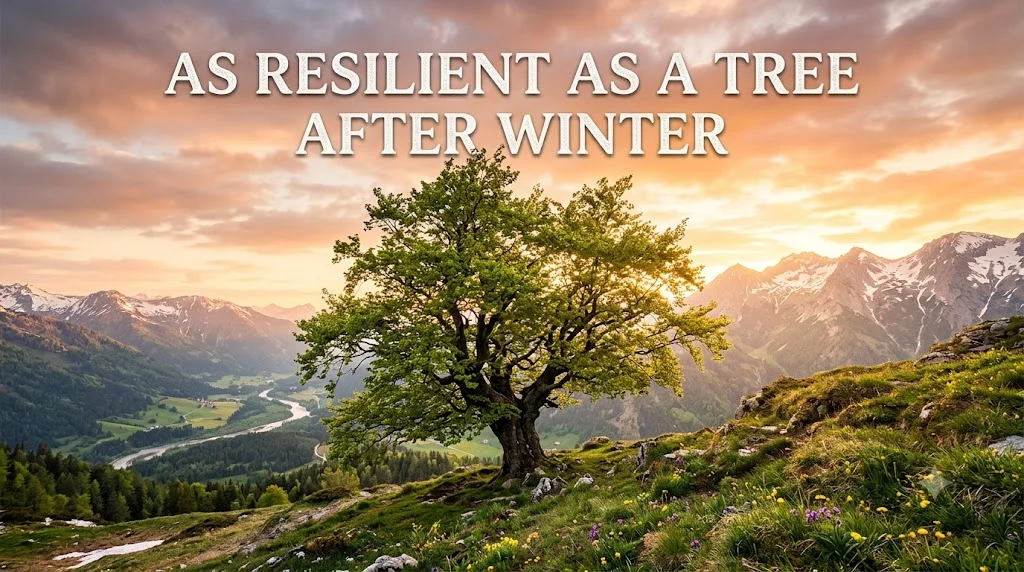
Simile: As resilient as a tree after winter.
Meaning: This comparison describes someone who survives hardship and finds the strength to begin again.
Usage Insight: This is a powerful example of similes in literature because nature provides a natural symbol for renewal. It works particularly well when writing about recovery, personal growth, hope, and new beginnings.
Examples:
- After years of struggle, she became as resilient as a tree after winter.
- His confidence returned as resilient as a tree sending out new leaves.
How to Use Similes Effectively in Writing
Knowing several similes to describe strength is useful, but choosing the right comparison is what makes your writing memorable. A strong simile should fit the emotion, situation, and audience.
1. Choose an Image Readers Understand
Use familiar images such as trees, mountains, rocks, rivers, iron, storms, and flames. Familiar comparisons allow readers to understand your meaning quickly.
2. Match the Simile to the Type of Strength
Not all strength is physical. Someone can have emotional strength, mental strength, moral courage, determination, or resilience. For example, “as tough as iron” suggests toughness, while “strong like a lighthouse in a storm” suggests guidance and emotional stability.
3. Use Nature Similes for Emotional Depth
Nature is full of powerful images. Trees can represent growth and resilience, mountains can symbolize stability, rivers can suggest persistence, and storms can represent challenges.
4. Avoid Using Too Many Similes
A page filled with comparisons can become distracting. Choose one strong simile instead of several weak ones. A carefully selected comparison often has more impact than a long list.
5. Make Your Comparisons Specific
Instead of writing “He was strong like an animal,” choose something more vivid, such as “He was strong like a lion protecting its pride.” Specific imagery gives readers a stronger mental picture.
6. Use Similes in Poems
Similes can give poetry rhythm, emotion, and visual appeal. A comparison such as “her courage was like a flame in winter” can communicate an emotional idea in only a few words.
7. Use Similes in Stories
In fiction, similes can make characters and scenes more vivid. Rather than telling readers that a character is strong, show that strength through an effective comparison.
8. Use Similes Carefully in Essays
Academic writing usually values clarity and precision, so figurative language should be used thoughtfully. A relevant comparison can make an explanation more accessible, but it should never make a serious argument unclear.
9. Use Similes in Songs
Songs depend heavily on emotion and imagery. A memorable simile can help listeners connect with feelings such as love, courage, heartbreak, hope, and determination.
10. Read the Sentence Aloud
A good simile should sound natural. Reading your sentence aloud can help you notice awkward wording, unnecessary comparisons, or repetition before you publish your writing.
FAQs About Similes to Describe Strength
1. What are good similes to describe strength?
Some effective similes include “as strong as an oak tree,” “strong like a mountain,” “as steady as a rock,” “as tough as iron,” and “as unbreakable as a diamond.” The best choice depends on whether you want to express physical power, emotional resilience, courage, stability, or determination.
2. What is a simile for a strong person?
A strong person can be described as “strong like a mountain,” “as steady as a rock,” or “strong like a storm-battered tree.” These comparisons show different kinds of strength and can make character descriptions more vivid.
3. What is the difference between a simile and a metaphor?
A simile directly compares two things using words such as like or as. For example, “She is as strong as an oak tree.” A metaphor makes a direct comparison without using like or as, such as “She is an oak tree.” Both are forms of figurative language, but they create comparisons in different ways.
4. Can similes be used in academic writing?
Yes, similes can be used in academic writing when they clarify an idea or make a complex concept easier to understand. However, academic writers should use them carefully and avoid comparisons that could make an argument vague or overly emotional.
5. Why are similes useful in creative writing?
Similes make creative writing more vivid by connecting an idea to something familiar. They help readers visualize characters, emotions, settings, and experiences while adding clarity, imagery, personality, and emotional depth to the writing.
Conclusion
The best similes to describe strength do more than tell readers that someone is powerful—they allow readers to experience that strength through vivid imagery. A person can stand as strong as an oak tree, remain steady as a rock, or continue like a flame that refuses to die. These comparisons transform simple descriptions into memorable figurative language examples that can communicate courage, resilience, determination, and emotional power. Nature similes are especially effective because trees, mountains, rivers, storms, and flames already carry strong symbolic meanings that readers can easily recognize. Whether you are creating a poem, developing a fictional character, writing an essay, composing a song, or simply searching for a better way to express an idea, the right simile can make your words more engaging. The key is to choose a comparison that genuinely matches the kind of strength you want to express. When used thoughtfully, similes add clarity, imagery, and emotional depth to language while helping readers connect with your message. Let your comparisons give strength a shape, a sound, and an image that readers will remember.