
Confidence is a quality that can change the way a person walks, speaks, dreams, and faces challenges. Similes to describe confidence help writers turn this powerful feeling into clear and memorable images that readers can easily understand. A simile compares two different things using words such as “like” or “as” to make an idea more vivid. Similes are an important part of figurative language because they help ordinary descriptions become expressive, emotional, and engaging.
Nature often gives us some of the best comparisons, and trees are powerful symbols of strength, growth, resilience, wisdom, and human emotion. A tall tree standing firmly through storms can beautifully represent a confident person who refuses to give up. By using nature similes, writers can connect human qualities with familiar images from the world around us. Whether you are writing a poem, story, essay, song, or personal reflection, the right comparison can make confidence feel almost visible.
What Is a Simile?
A simile is a figure of speech that compares two different things using words such as “like” or “as.” Similes help readers imagine an emotion, person, object, or situation more clearly.
Example: Her confidence was like a mountain, standing firm against every challenge.
This comparison connects confidence with the strength and stability of a mountain. Instead of simply saying that she was confident, the simile gives the reader a stronger mental picture.
1. His Confidence Was Like a Mountain That Refused to Move
Meaning: This simile describes confidence as strong, stable, and difficult to shake. A mountain remains firm despite wind, rain, and changing seasons, making it an excellent comparison for inner strength.
Usage Insight: Use this comparison when describing someone who remains confident even when facing criticism, failure, pressure, or difficult circumstances.
Examples:
- His confidence was like a mountain that refused to move when the competition became intense.
- She stood before the audience with the calm strength of someone whose confidence could not be easily shaken.
2. She Walked as Confidently as a Lioness in Her Territory
Meaning: This comparison presents confidence as bold, powerful, and fearless. A lioness naturally commands attention and moves with purpose.
Usage Insight: This simile works especially well when describing someone entering a challenging environment or taking control of an important situation.
Examples:
- She walked into the interview as confidently as a lioness in her territory.
- The young leader faced the difficult meeting with the fearless presence of a lioness.
3. His Confidence Shone Like the Morning Sun
Meaning: This simile compares confidence with sunlight, suggesting warmth, positivity, energy, and an ability to brighten the surroundings.
Usage Insight: Use it when confidence has a positive effect on other people rather than appearing arrogant or aggressive.
Examples:
- His confidence shone like the morning sun as he welcomed everyone into the room.
- Her bright smile and steady voice made her confidence feel as warm as sunlight.
4. She Was as Steady as an Oak Tree in a Storm
Meaning: This nature simile describes confidence as stable and resilient. The oak tree represents strength because it can remain rooted while powerful winds move around it.
Usage Insight: This is ideal for writing about emotional strength, leadership, perseverance, or confidence during difficult moments.
Examples:
- She remained as steady as an oak tree in a storm when everyone else began to panic.
- His confidence kept the team focused, even when the project faced serious setbacks.
5. His Confidence Was Like a Flame That Would Not Go Out
Meaning: The flame represents determination, hope, passion, and an inner belief that continues even during difficult times.
Usage Insight: Use this simile when describing confidence that survives failure, disappointment, rejection, or uncertainty.
Examples:
- His confidence was like a flame that would not go out, even after several failed attempts.
- Every setback seemed to strengthen the quiet fire of her belief in herself.
6. She Stood as Proudly as a Tree Reaching for the Sky
Meaning: This comparison connects confidence with the upward growth of a tree. It suggests pride, ambition, self-belief, and a willingness to grow.
Usage Insight: This works beautifully in inspirational writing, poetry, personal essays, and descriptions of someone achieving a major goal.
Examples:
- After years of hard work, she stood as proudly as a tree reaching for the sky.
- He carried himself with the quiet pride of a tree that had grown through every season.
7. His Confidence Was as Strong as a River Cutting Through Stone
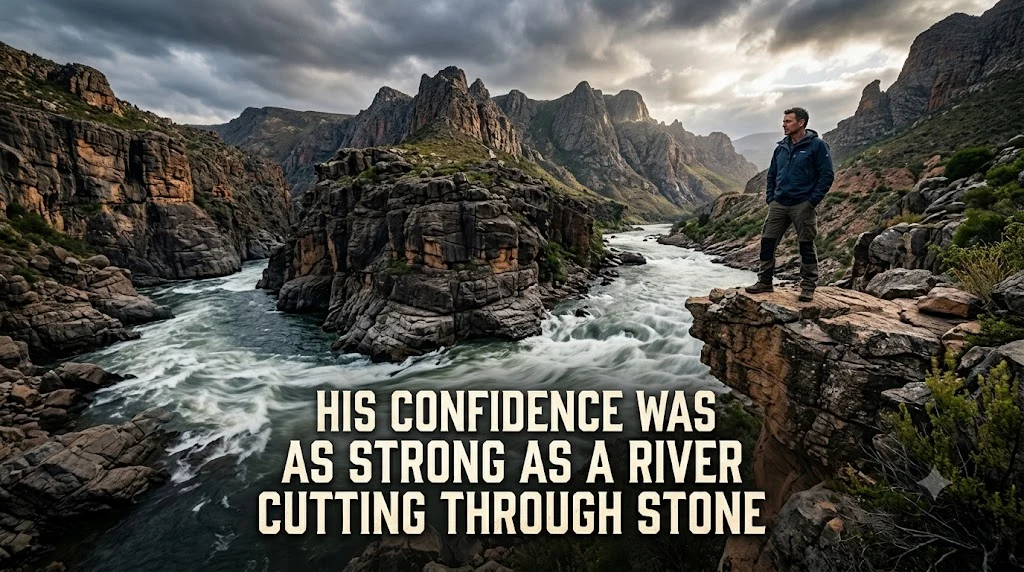
Meaning: This simile shows confidence as persistent and powerful. A river may appear gentle, but over time it can reshape even hard stone.
Usage Insight: Use this comparison to describe confidence built through patience, experience, and continuous effort.
Examples:
- His confidence was as strong as a river cutting through stone.
- She trusted that steady effort would eventually overcome every obstacle in her path.
8. She Entered the Room Like an Eagle Taking Flight
Meaning: The eagle represents freedom, vision, courage, and power. This simile suggests that the person enters a situation with confidence and purpose.
Usage Insight: It is particularly useful when describing a dramatic entrance, a public performance, a presentation, or a moment of personal breakthrough.
Examples:
- She entered the conference room like an eagle taking flight.
- Once he stepped onto the stage, his nervousness disappeared and he spoke with remarkable authority.
9. His Confidence Was as Bright as a Star on a Dark Night
Meaning: This comparison suggests that confidence can remain visible and powerful even during uncertainty. The star represents hope, direction, and inner light.
Usage Insight: Use this simile when describing someone who maintains self-belief during challenging or uncertain circumstances.
Examples:
- Her confidence was as bright as a star on a dark night.
- Even when the future seemed uncertain, his belief in himself continued to guide him.
10. She Was Like a Lighthouse Standing Against the Waves
Meaning: A lighthouse remains steady while waves crash around it. This simile portrays confidence as dependable, calm, and reassuring.
Usage Insight: This comparison is excellent for describing leaders, mentors, teachers, or people who give others confidence through their own strength.
Examples:
- She was like a lighthouse standing against the waves, guiding her team through uncertainty.
- His calm confidence reassured everyone when the situation became difficult.
11. His Confidence Rose Like a Sunrise After a Long Night
Meaning: This simile describes confidence that develops after hardship, fear, or failure. The sunrise represents renewal, hope, and a fresh beginning.
Usage Insight: Use it when writing about personal growth, recovery, learning from mistakes, or overcoming self-doubt.
Examples:
- After months of self-doubt, his confidence rose like a sunrise after a long night.
- Her belief in herself slowly returned, bringing new energy to everything she did.
12. She Spoke as Boldly as Thunder Rolling Across the Sky
Meaning: Thunder is loud, commanding, and impossible to ignore. This simile portrays confidence through a strong and powerful voice.
Usage Insight: This works well when describing someone making a bold speech, defending an idea, or speaking courageously in front of others.
Examples:
- She spoke as boldly as thunder rolling across the sky.
- His confident argument filled the room with a powerful sense of conviction.
13. His Confidence Was Like a Deep-Rooted Tree
Meaning: A deep-rooted tree represents stability and a strong foundation. This simile suggests that genuine confidence comes from within rather than depending entirely on outside approval.
Usage Insight: Use this comparison when discussing mature self-confidence, emotional resilience, personal development, or self-respect.
Examples:
- His confidence was like a deep-rooted tree, strong enough to survive harsh criticism.
- She no longer needed constant approval because her self-belief had become deeply rooted.
14. She Faced the Challenge Like a Ship Sailing Into Strong Winds
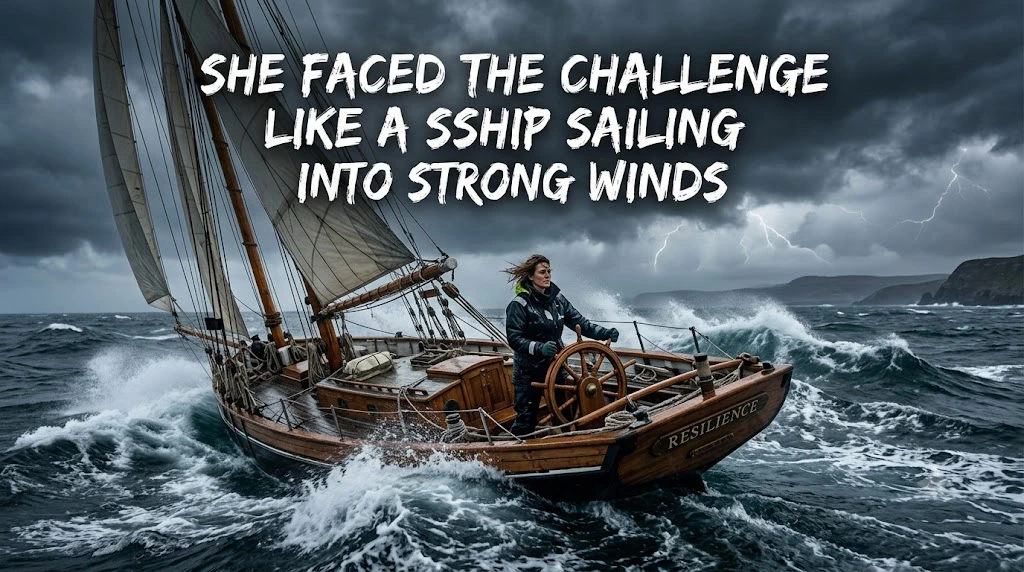
Meaning: This simile portrays confidence as courage in action. Instead of avoiding difficulty, the person moves forward despite resistance.
Usage Insight: This comparison is useful for motivational writing and stories about ambition, leadership, competition, or overcoming obstacles.
Examples:
- She faced the challenge like a ship sailing into strong winds.
- Rather than retreating from failure, he used it as a reason to push forward.
15. His Confidence Was as Solid as Stone Beneath His Feet
Meaning: This simile describes confidence as dependable, grounded, and secure. It suggests that the person has a strong sense of self and is not easily influenced by others.
Usage Insight: Use this comparison when you want to emphasize certainty, self-respect, determination, or emotional stability.
Examples:
- His confidence was as solid as stone beneath his feet.
- Even when others questioned his decision, he remained grounded in what he believed was right.
How to Use Similes Effectively in Writing
Using similes to describe confidence can make your writing more expressive, but the comparison should support the message rather than distract from it. A strong simile should feel natural, meaningful, and appropriate for the situation.
1. Use Similes in Poems
Poetry depends heavily on imagery and emotion. Compare confidence with nature, light, animals, weather, or powerful objects to create a memorable picture.
Example: Her courage stood like a tree beneath the winter sky.
2. Use Similes in Stories
Similes can make characters feel more realistic. Instead of simply writing “He was confident,” describe how his confidence appeared through movement, speech, or behavior.
Example: He walked into the room like a captain returning to his ship.
3. Use Similes in Essays
Academic and personal essays can benefit from figurative language when it is used carefully. A well-chosen comparison can make an abstract idea easier to understand.
For example, confidence can be compared to deep roots to explain how self-belief develops through experience and personal growth.
4. Use Similes in Songs
Songwriting often relies on emotional imagery. Comparisons involving stars, fire, oceans, storms, and trees can make lyrics more memorable.
A confident character might be described as:
“Like a rising sun, I’m ready for the day.”
5. Use Similes in Creative Descriptions
Creative writing becomes stronger when readers can visualize emotions. Rather than repeatedly using words such as strong, bold, or fearless, create comparisons that show those qualities.
6. Choose Comparisons That Match the Emotion
Not every powerful image communicates the same kind of confidence. A mountain suggests stability, an eagle suggests freedom, a flame suggests passion, and a lighthouse suggests guidance.
7. Avoid Overusing Similes
Too many comparisons can make writing feel crowded. Choose the strongest simile and allow it to support the surrounding sentence.
8. Make Your Similes Original
Common comparisons can be useful, but original images often make writing more memorable. Think about nature, everyday experiences, objects, sounds, and movements that reflect the exact type of confidence you want to communicate.
Similes in Literature and Figurative Language
Similes in literature help writers communicate emotions and ideas without explaining everything directly. A character’s confidence can be shown through comparisons with mountains, trees, animals, sunlight, oceans, or other powerful images.
Nature similes are particularly effective because readers already understand the qualities associated with natural objects. A tree may suggest growth and resilience, while a mountain may represent stability and strength. An eagle can symbolize freedom and vision, while sunlight can suggest hope and positivity.
These figurative language examples also demonstrate why comparisons are so important in creative writing. A direct statement tells readers what something is, while a carefully selected simile can show them what it feels like.
FAQs About Similes to Describe Confidence
What are some good similes to describe confidence?
Some effective similes include “confidence like a mountain,” “as steady as an oak tree,” “like a flame that would not go out,” and “as bright as a star.” Each comparison communicates a slightly different type of confidence.
What is a simile according to the H1 topic?
For the topic “similes to describe confidence,” a simile is a comparison that makes confidence easier to visualize. For example, “Her confidence was like a mountain” compares emotional strength with the stability of a mountain.
What is the difference between a simile and a metaphor?
A simile makes a comparison using words such as “like” or “as.” A metaphor makes a direct comparison without those words.
Simile: His confidence was like a mountain. Metaphor: His confidence was a mountain.
Both communicate strength, but they construct the comparison differently.
Can similes be used in academic writing?
Yes, but they should be used carefully. Similes can clarify complex ideas and make certain explanations more memorable, especially in reflective, analytical, or persuasive writing. Formal academic writing should prioritize precision and avoid excessive figurative language.
Why are similes useful in creative writing?
Similes make abstract ideas such as confidence, fear, love, sadness, or courage easier to imagine. They add clarity, imagery, personality, and emotional depth to poems, stories, songs, speeches, and descriptions.
Conclusion
The best similes to describe confidence do more than replace the word confident with another phrase. They create images that allow readers to see strength, courage, determination, and self-belief in action. A confident person can be like a mountain that refuses to move, a tree with deep roots, a flame that will not disappear, or a lighthouse standing firmly against powerful waves. These comparisons give abstract emotions a physical form that readers can understand and remember. Nature similes are especially powerful because trees, rivers, mountains, stars, and sunlight naturally carry meanings connected with strength, growth, resilience, and hope. When used thoughtfully, similes also make figurative language examples more engaging and help writers develop stronger descriptions. Whether you are creating a poem, writing a story, preparing an essay, composing a song, or simply looking for a better way to express an idea, the right comparison can transform ordinary words into vivid language. Let your descriptions stand tall, stay rooted, and shine brightly—just like the confidence they are meant to express.